
Zamak 3 vs. Zamak 5: Zinc Die Casting Selection Guide
In cross-border precision component sourcing, engineers frequently face a critical choice when optimizing small-to-medium structural components: Zamak 3 vs. ...
Request a QuoteTechnical Analysis Written By: (Hank Zhang) Role: Senior Tooling & Manufacturing Professional (20+ Years On-Site Foundry Experience) Publisher Focus: High-Precision Zinc Die Casting Services & Tooling Localization
In cross-border precision component sourcing, engineers frequently face a critical choice when optimizing small-to-medium structural components: Zamak 3 vs. Zamak 5. While zinc alloys are highly celebrated for their rapid cycle times, thin-wall structural integrity, and elite cosmetic adaptability, specifying the wrong raw metal grade can result in premature component failure, dynamic stress fractures, or unpredicted tool wear patterns.
At Alumcasting, our foundational philosophy dictates that long-term volume profitability is won or lost during the initial engineering phase. Implementing a holistic cost-down DFM analysis for die casting molds ensures that the regional behavioral nuances of these zinc metals are matched perfectly to the part’s functional configuration.
The Core Metallurgical Difference: The Impact of 1% Copper
From a metallurgical perspective, the underlying framework of the standard Zamak series relies on high-purity zinc alloyed with tightly controlled ratios of Aluminum (approx. 4%) and Magnesium (approx. 0.04%). The operational fork between Zamak 3 (ASTM AG40A) and Zamak 5 (ASTM AC41A) comes down to a single element: Copper (Cu) content.
- Zamak 3: Contains a maximum trace boundary of 0.25% Copper (typically running near zero on the foundry floor).
- Zamak 5: Features an intentional elemental addition of 0.75% to 1.25% Copper.
This single percentage shift completely rewrites the metal’s crystalline matrix. Zamak 3 serves as the foundational “industrial workhorse” of global product design due to its outstanding castability, uniform shrinkage, and world-class physical scale stability. When designers need complex, high-volume geometries but require distinct structural attributes compared to conventional aluminum options—such as the widely deployed A380 aluminum die casting alloy properties—Zamak 3 offers a superior pathway for net-shape accuracy without downstream sizing.
By contrast, the copper network built into Zamak 5 acts as a solid-solution strengthening agent. This modification drastically scales up the raw hardness and tensile capability of the poured frame, though it introduces a slight sacrifice in overall material ductility.
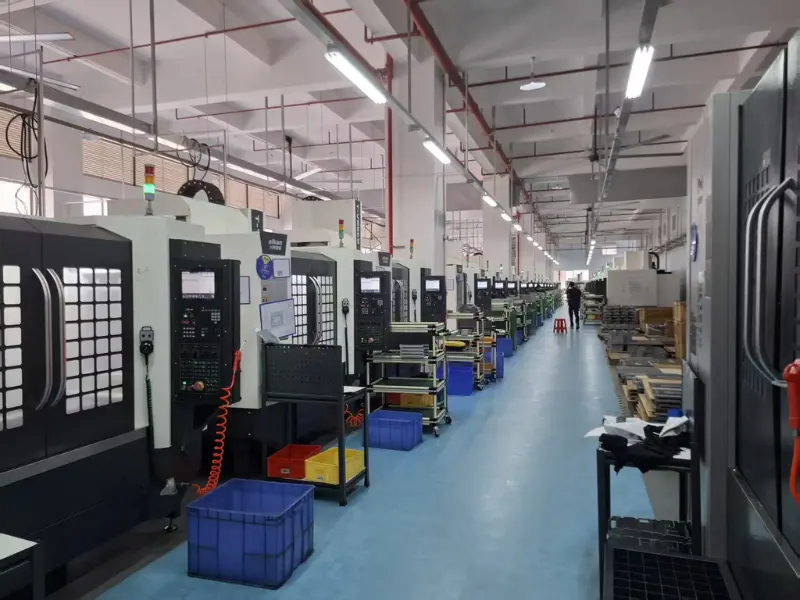 Figure 1: Automated machining centers within our advanced high-tolerance CNC workshop executing micro-level secondary operations on zinc castings.
Mechanical Properties Comparison Matrix
For cross-border engineering teams designing intricate enclosures, lock assemblies, or high-vibration automotive die casting parts, qualitative summaries are insufficient. The verified material characteristics below demonstrate the long-term field performance impact of choosing one grade over the other.
| Mechanical Property Data | Zamak 3 (ASTM AG40A / No. 3) | Zamak 5 (ASTM AC41A / No. 5) | Engineering Selection Relevance |
|---|---|---|---|
| Tensile Strength (MPa) | 283 | 331 | Zamak 5 provides a 17% increase in ultimate load capability before structural failure. |
| Yield Strength (MPa) | 221 | 269 | Zamak 5 tolerates higher baseline stresses before permanent plastic deformation occurs. |
| Elongation at Break (%) | 10% | 7% | Zamak 3 features enhanced plastic flow, vital for integrated swaging, crimping, or riveting. |
| Hardness (Brinell - HB) | 82 | 91 | Zamak 5 offers superior wear resistance and gear teeth integrity under abrasive contact. |
| Dimensional Stability Index | Excellent / Baseline | Moderate / Long-term Aging | Zamak 5 undergoes very minor, predictable shrinkage during decades of structural thermal aging. |
⚙️ Shop-Floor Tooling Insight from Hank Zhang
Secondary Forming Warning: If your final manufacturing step requires post-casting deformation—such as rolling down a thin retaining lip or bending an integrated staking pin—Zamak 3 is mandatory. Its 10% elongation allows the grain structure to slip without initiating subsurface micro-cracks.
Conversely, if your design dictates structural rigidity and high creep resistance—such as heavy-duty automotive hardware, brackets, or brackets requiring complex finishing—Zamak 5 is the premier match. As an IATF 16949 certified manufacturing supplier, we tightly regulate injection pressure profiles to maximize the density advantages of Zamak 5, ensuring zero-defect compliance within extreme environments.
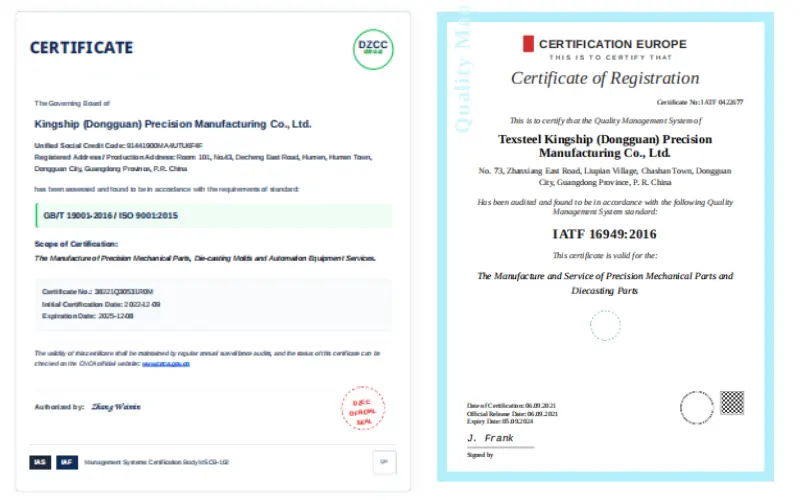 Figure 2: Our manufacturing processes are fully compliant with verified international standards, governing everything from raw alloy trace checks to finished product dispatch.
Advanced DFM Strategies for Zinc Component Sourcing
Zinc die casting enables radical weight reductions and part consolidation. However, achieving maximum performance require looking beyond standard tables. For example, when transitioning from historical alternative metals via an aluminum-to-magnesium weight reduction analysis or traditional zinc layout, thin wall parameters change completely.
Fluidity and Wall Thickness Dynamics
Both Zamak 3 and 5 offer fluid profiles that allow for wall architectures down to 0.50mm, outperforming traditional high-pressure aluminum die casting processes. When operating with specialized thin-wall die casting tooling configurations, Zamak 3 fills deep ribs slightly more uniformly due to its low-copper consolidation matrix, allowing for highly responsive tooling design adjustments and minimizing cold-shuts.
Finishing and Post-Casting Treatment
Zinc components rarely enter service without a surface coat. Whether you specify automated chrome electroplating, architectural powder coating, or tactical e-coating, the chemical structure of your underlying alloy remains vital. Zamak 3 is marginally less prone to microscopic surface spotting because it has fewer copper-rich phase segregations near the outer casting skin, yielding a higher yield rate on complex surface finishing for aluminum and magnesium casting production lines.
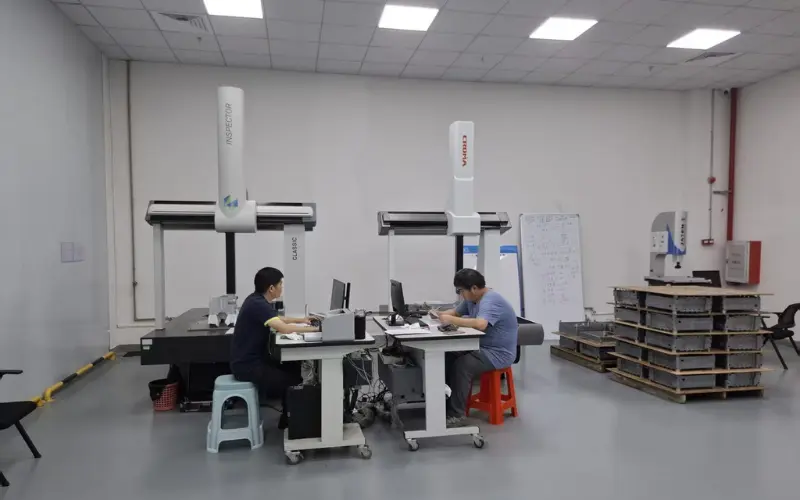 Figure 3: Advanced Coordinate Measuring Machine (CMM) tracking physical coordinates down to micron levels for critical medical and automotive structural blocks.
Advanced Porosity Control and Metrology Inspection
In high-end applications like medical device component manufacturing or dense structural chassis blocks, subsurface porosity control is paramount. Subsurface gas pockets compromise structural yield limits and can cause failures under stress.
At Alumcasting, we employ an advanced porosity control and real-time X-ray inspection protocol for every batch. Rather than utilizing simple destructive destructive evaluation techniques, our non-destructive diagnostic setup lets us inspect structural integrity down to the core of the component, adjusting shot velocity and venting profiles in real time before large-scale operations begin.
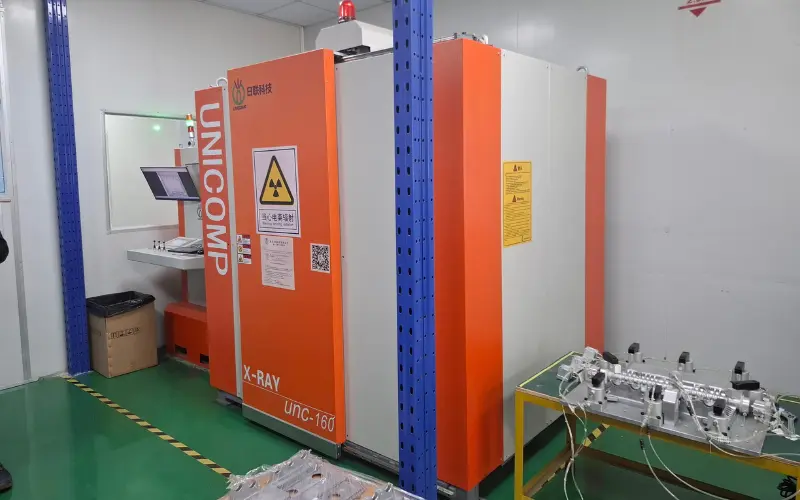 Figure 4: Non-destructive real-time X-ray equipment inside our testing lab verifying zero subsurface density defects across critical casting runs.
Your Full-Turnkey Partner: From Design to Surface Treatment
Whether your business strategy requires scalable small-batch die casting production or mass scaling from T0 testing up to 10,000+ volume runs, managing multiple sub-vendors introduces significant risks. Alumcasting bridges this gap by acting as a highly integrated, one-stop die casting, precision CNC machining, and surface treatment manufacturer in Dongguan.
Optimize Your Zinc Project with Expert Engineering Support
Are you navigating a complex raw material specification dilemma or struggling with tool wear on an ongoing Zamak 5 project? Don’t leave your material behavioral performance to chance. Our engineering support offices across Dongguan and Shenzhen are prepared to offer a professional metallurgical and DFM feasibility analysis within 24 hours.
Ready to start your project?
Talk to AlumCasting engineers about your casting, machining and tooling requirements.