
Vacuum Assisted Cold Chamber Die Casting vs Conventional HPDC for Air Tightness
Leaking aluminum castings stopping your assembly line? Discover why vacuum-assisted cold chamber die casting eliminates subsurface porosity to achieve perfect air tightness over conventional HPDC.
Request a QuoteHSA Message from Hank Shing — 20-Year Tooling & Casting Veteran “If you are looking at an automotive assembly line stop because your engine oil pans, EV inverter housings, or liquid cooling plates are weeping bubbles during a water-dunk test, you don’t need another generic textbook definition. You need to know why trapped air is killing your yield rate, and exactly how pulling a real-time vacuum in the die cavity turns scrap metal into precision, airtight engineering.”
In the high-stakes world of modern automotive engineering and high-pressure fluid electronics, air tightness isn’t just a baseline specification—it is the difference between a successful product launch and a catastrophic, multi-million-dollar field recall. When evaluating vacuum assisted cold chamber die casting vs conventional HPDC for air tightness, we are fundamentally examining how we handle the invisible enemy of the foundry: trapped gas porosity.
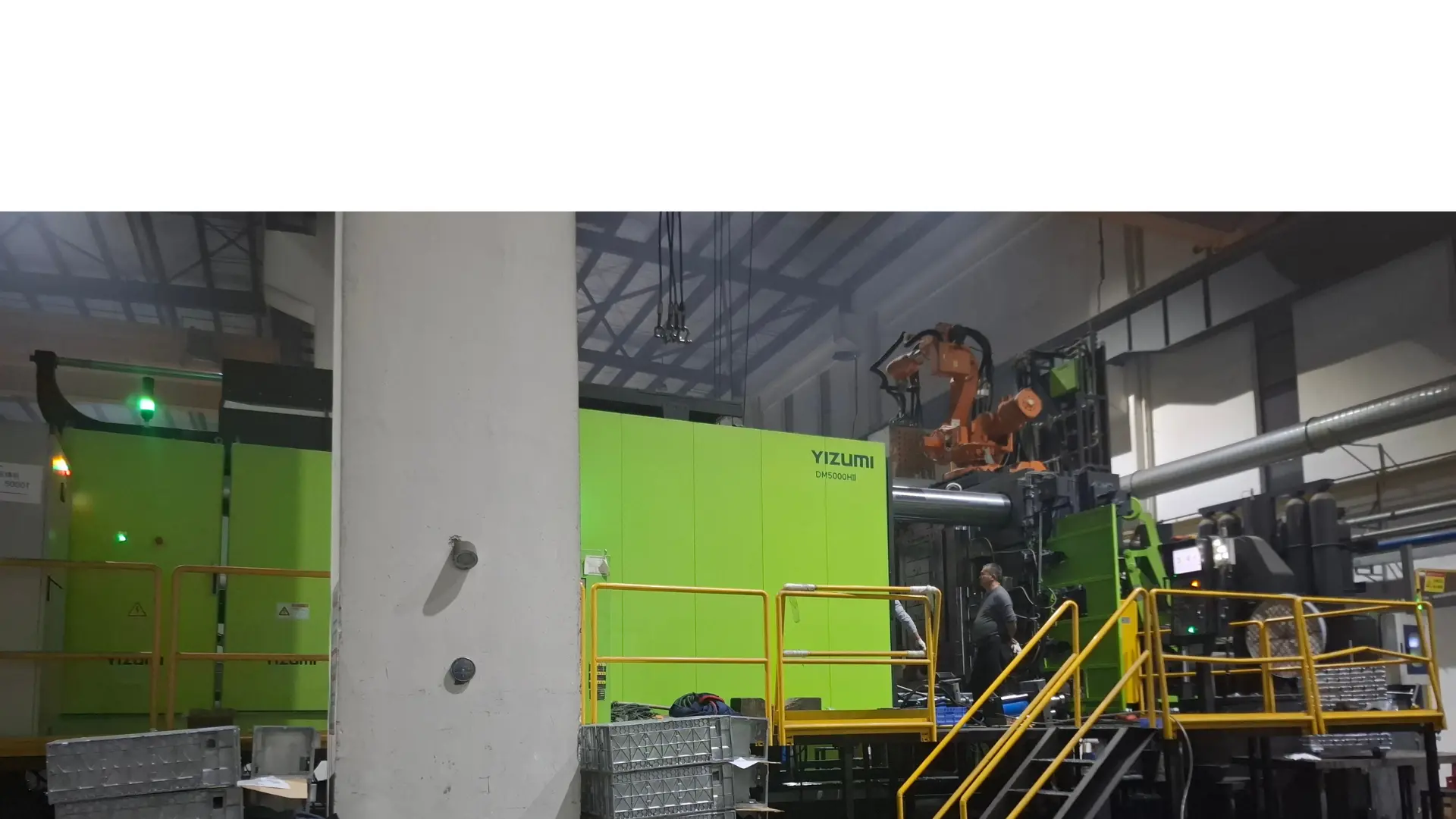 Figure 1: Our large-scale 5000T high-pressure vacuum die casting platform, structurally built to eliminate gas entrapment in massive EV powertrain castings.
The Structural Anatomy of Leaks: Why Conventional HPDC Struggles
To understand why conventional high pressure die casting process quality can falter when sealing fluids under pressure, we have to look inside the cold chamber shot sleeve. In a standard setup, molten aluminum is poured into the sleeve, leaving a large volume of ambient air above it. As the plunger moves forward at velocities often exceeding 5 meters per second, it creates a turbulent wave. This wave violently mixes the air directly into the molten metal matrix.
By the time the metal passes through the gates to fill the cavity, that air is trapped. Under extreme dynamic intensification pressure, these bubbles compress into microscopic voids. If your component requires extensive post-casting machining, you slice right into these hidden pockets, exposing sub-surface porosity. This creates micro-channels through which oils, gases, or EV coolants will inevitably weep during final quality assembly inspection. Hank’s Shop-Floor Reality Check: I’ve seen teams spend months modifying gating layouts, widening overflows, and adjusting fast-shot injection profiles trying to make a complex part leak-proof on a conventional machine. The truth? If you are injecting metal into a closed cavity packed full of high-pressure atmosphere, you are playing catch-up from day one. You might suppress the porosity below the skin, but the moment the CNC mill cuts 0.5mm deeper, the casting leaks.
How Vacuum Assistance Alters the Physics of Matrix Solidification
Vacuum-assisted cold chamber die casting tackles this thermodynamic limitation at its physical root. Before the fast-shot phase initiates, a high-efficiency vacuum valves system triggers, pulling the absolute pressure within both the shot sleeve and the mold cavity down below 50 millibars within a fraction of a second.
When the molten alloy fills the mold, it expands into a near-complete void. Without the backpressure of compressed atmosphere, the liquid front fills intricate cooling fins and ultra-thin cross-sections seamlessly. This process behaves completely differently compared to traditional methods, providing the foundation for highly stable pore-free die casting structural parts that support advanced heat treatment without blistering.
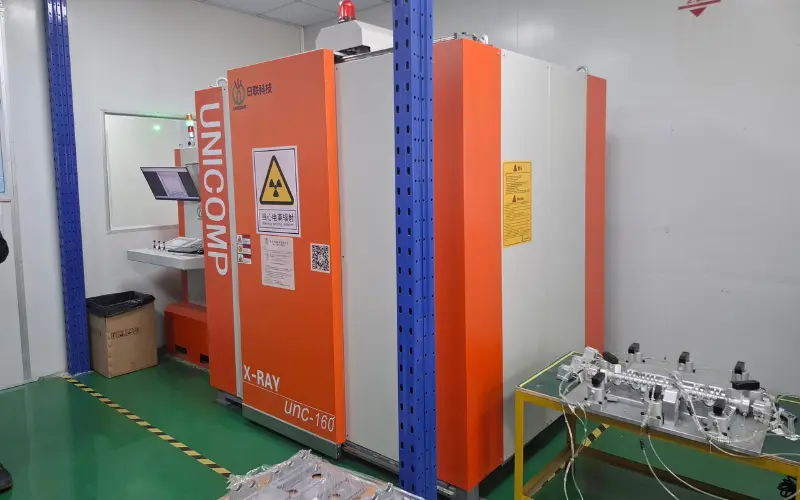 Figure 2: Non-destructive testing utilizing real-time digital X-Ray tracking to confirm internal density and porosity control in vacuum cast parts.
Head-to-Head Dataset: Vacuum Assistance vs. Conventional HPDC
To assist global procurement managers and structural product engineers in evaluating the performance-to-cost tradeoffs, the following engineering dataset outlines the operational differences between both manufacturing paths:
| Engineering Metric | Conventional HPDC Environment | Vacuum-Assisted Cold Chamber HPDC | Impact on Sealed Assemblies / Air Tightness |
|---|---|---|---|
| Internal Gas Porosity Vol% | 1.5% — 3.5% (Typical distribution) | < 0.2% — 0.5% (Controlled density) | Eliminates continuous micro-leak paths across machined faces. |
| Pressure Leak Leakage Rate (Target) | ≤ 5-10 sccm at 1.5 bar (Highly variable) | ≤ 0.5 sccm at 3.5+ bar (Highly stable) | Ensures long-term hermetic containment for EV electronics. |
| Post-Casting Weldability & T6 | Strictly Prohibited (Blister defects form) | Fully Viable Option (T6 Heat Treatment Allowed) | Allows secure laser-welding of structural battery coolant lids. |
| Tooling Maintenance Interval | Standard cycles (60k—80k shots) | Requires rigorous seal/valve maintenance (40k shots) | Demands professional tool engineering and continuous DFM discipline. |
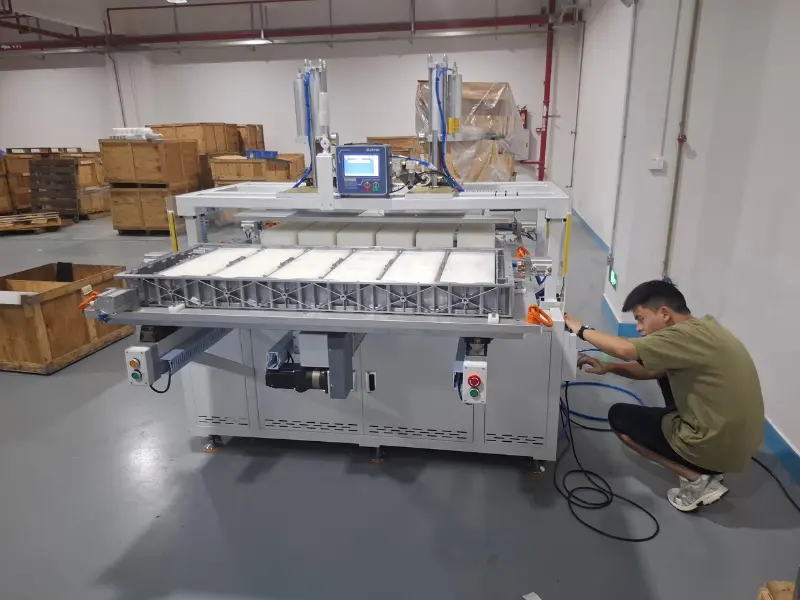 Figure 3: Automated differential pressure-drop leak testing equipment used to verify hermetic integrity down to 0.1 sccm thresholds. |
Engineering the Solution: Comprehensive Quality Verification
True air tightness is not won purely by turning on a vacuum pump. It requires a dedicated, closed-loop production eco-system. At Alumcasting, achieving zero-leak performance relies on real-time testing validation. Every automotive or medical project we execute undergoes rigorous monitoring utilizing advanced porosity control X-ray inspection platforms to verify macro-structural soundness before parts ever arrive at the assembly station.
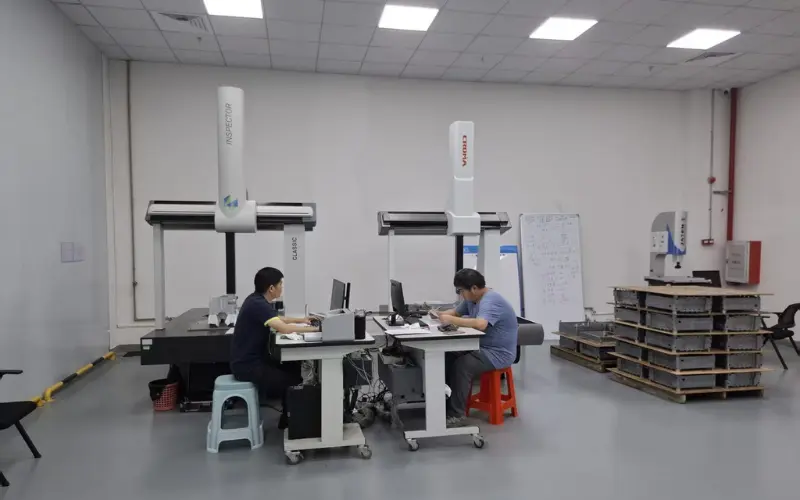 Figure 4: Precise coordinate-measuring machine (CMM) dimensional metrology verifying planar sealing flatness to eliminate gasket leak paths.
Furthermore, maintaining tight machining tolerances prevents localized distortion that can ruin gasket seat flatness. By integrating a dedicated, climate-controlled high tolerance automotive CNC machining layout directly alongside our vacuum casting cells, we prevent external part handle warping. This ensures your seals lock flat, retaining air tight pressure parameters over years of rigorous field operations.
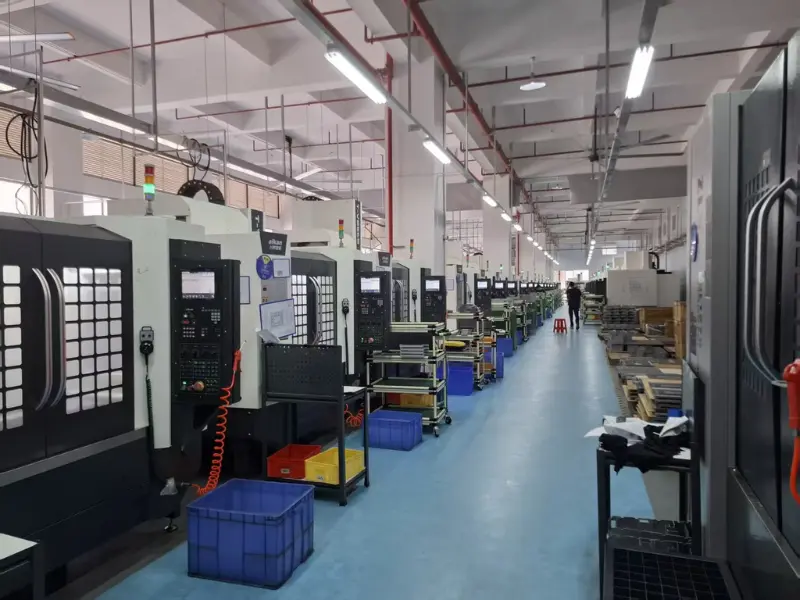 Figure 5: High-speed multi-axis CNC centers cutting gasket groove geometries with ultra-fine surface profiles to maximize mating contact.
Strategic Procurement: Mapping Your Production ROI
When selecting between vacuum assisted cold chamber die casting vs conventional HPDC for air tightness, you must look beyond raw tooling costs. While vacuum-assisted molds require sophisticated venting block integration and precise perimeter vacuum seals, they pay massive dividends by drastically dropping your end-of-line scrap rates.
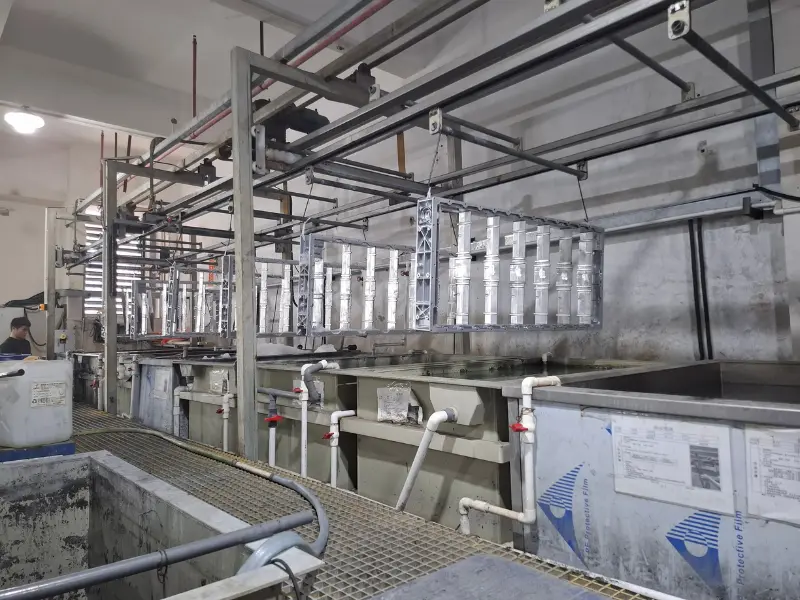 Figure 6: Advanced surface cleaning and preparation line, stabilizing the base material matrix prior to final leak detection testing.
If you are managing projects for lightweight EV battery housing die casting runs or liquid-cooled cooling systems, conventional manufacturing techniques will often yield up to 15% to 30% leakage failures during high-pressure testing. Implementing a properly designed vacuum infrastructure brings that failure rate down close to absolute zero, protecting your downstream margins and automated assembly operations.
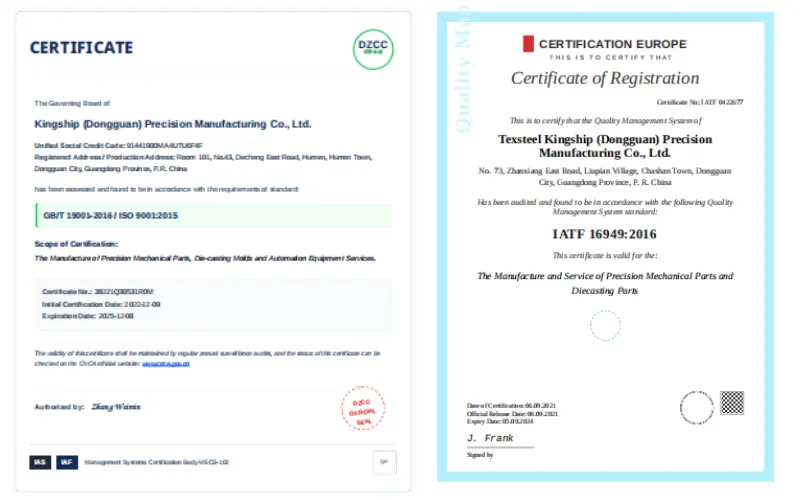 Figure 7: Our world-class manufacturing compliance framework, fully certified to rigorous IATF 16949 automotive standard specifications.
Beyond automotive quality systems, our high-pressure die casting operations are also governed by a certified ISO 14001 high-pressure die casting manufacturer environmental management system.
From initial manufacturing planning to final high-volume shipping, our team aligns every parameter under certified automotive governance guidelines. By applying advanced IATF 16949 high tolerance automotive supplier controls, we guarantee that every cast batch displays the uniform density, surface profile finish, and airtight properties your mission-critical applications require.
Tired of Leaking Castings Slowing Down Your Project Timeline?
Don’t let internal sub-surface porosity sabotage your product reliability. Submit your modern 3D CAD files and detailed pressure seal parameters directly to Hank and our structural engineering group today for a comprehensive DFM air tightness analysis.
Submit Request for Quote (RFQ)
Full Name *
Corporate Email *
Company Name *
Technical Target Notes (E.g., Sealing Tolerances, Thread Counts, Quantities)
⬆
Drag & Drop Your 3D CAD Files Here
Supports .STP, .STEP, .IGS, .ZIP (Max 50MB)
Ready to start your project?
Talk to AlumCasting engineers about your casting, machining and tooling requirements.