
The Soul of Stainless Steel Precision Machining: A 20-Year Veteran's Guide
Explore the complexities of stainless steel precision machining through the eyes of a senior tooling engineer. Learn about heat management, tool selection, and achieving sub-micron tolerances.
Request a QuoteAuthor: Senior Manufacturing Engineer | 20+ Years in High-Tolerance Production
In the twenty years I’ve spent walking the factory floors from Dongguan to global aerospace hubs, no material commands as much respect—and frustration—as stainless steel. It is the gold standard for longevity, yet it is notoriously difficult to tame. When we talk about stainless steel precision machining, we are talking about a delicate dance between thermal stability and shear force.
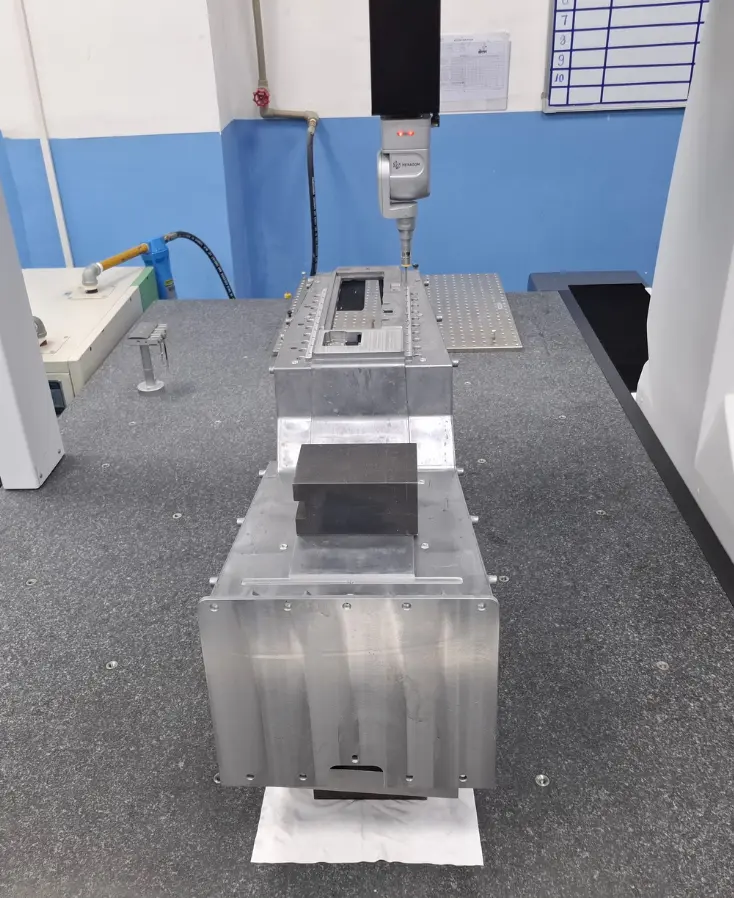 Material Strategy in Action: While stainless steel offers unmatched corrosion resistance, we often help clients evaluate aluminum to magnesium conversion for aerospace parts to achieve 30% weight reduction without sacrificing rigidity.
The Strategic Pivot: DFM and Material Choice
Often, a client comes to me wanting to machine a complex structural part from a solid block of stainless. My first question is always: “Does it have to be stainless?” If the goal is lightweight performance—as seen in the aerospace parts above—we might suggest high-strength alloys that are easier on the tools.
However, if the environment is corrosive or requires high bio-compatibility, we stick to stainless steel but optimize the process. By using cost-down DFM design, we can often reduce the amount of stainless removed, preserving tool life and significantly lowering the unit price of high-tolerance CNC parts.
“I once saw a 316L project where the tool cost exceeded the material cost by 3:1. By adjusting the geometry to allow for larger tool diameters and better chip evacuation, we turned a money-losing job into a high-precision success story.”
Technical Matrix: Grades & Performance
| Grade | Machining Characteristic | Best Application |
|---|---|---|
| 316L | Severe work hardening; requires high-pressure coolant. | Medical Implants & Marine. |
| 17-4 PH | Exceptional strength; machines best in annealed state. | Aerospace structural components. |
| Custom Alloys | High-purity requirements for semiconductors. | Clean-room equipment. |
Scaling Your Precision
Whether you are in the small-batch prototyping phase or ready for scaling production, the key to stainless steel is consistency. We utilize a IATF-16949 certified quality mindset to ensure that the 1,000th part is just as precise as the 1st.
Struggling with a design that’s eating your carbide tools? Let’s consult on your STEP files. We specialize in making the ‘impossible’ materials behave.
Ready to start your project?
Talk to AlumCasting engineers about your casting, machining and tooling requirements.