
Magnesium Die Casting Supplier | AZ91D| AM60B Casting supplier
AlumCasting is a magnesium die casting supplier specializing in AZ91D and AM60B lightweight components for automotive, EV and industrial applications. From tooling to CNC machining and inspection, we deliver complete casting solutions.
Request Engineering QuoteAlumCasting provides advanced magnesium die casting solutions using AZ91D and AM60B magnesium alloys, helping automotive, EV and industrial manufacturers reduce weight while maintaining strength, precision and reliability.
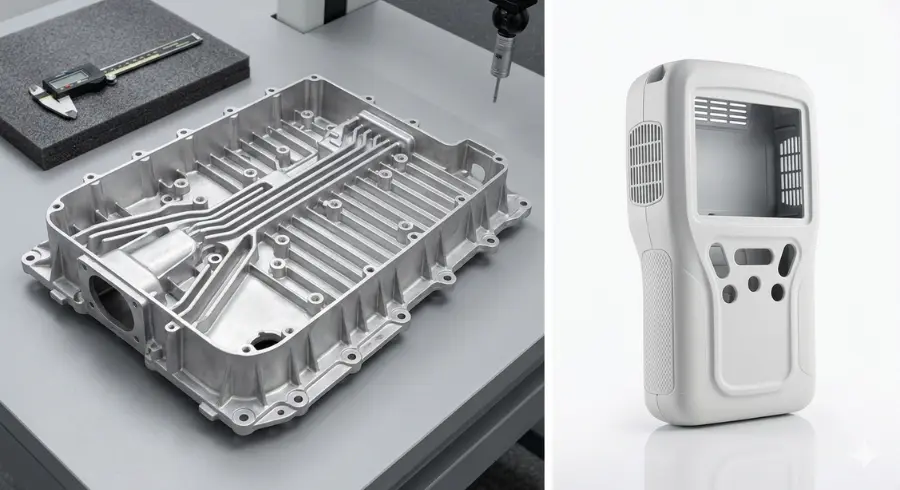
More Than Casting — Engineering Lightweight Solutions
As a professional magnesium die casting supplier, AlumCasting understands that lightweight manufacturing is not simply about replacing aluminum with magnesium. It is about balancing strength, durability, thermal performance, production stability and long-term reliability.
Why Magnesium Matters in Modern Manufacturing
Every kilogram saved in a vehicle can influence energy efficiency, driving range and overall performance. This is why magnesium alloys have become increasingly important in automotive and electric vehicle applications.
Compared with traditional materials, magnesium offers excellent strength-to-weight ratio, vibration absorption and dimensional stability. However, successful magnesium die casting requires deep process knowledge — from alloy selection and mold design to corrosion protection and machining.
At AlumCasting, our engineers work with customers from early design review through mass production, ensuring every magnesium component is designed for manufacturability.
Advantages of Magnesium Die Casting
Magnesium die casting provides unique advantages for engineers designing lightweight structures and precision components.
Lightweight Performance
Magnesium is one of the lightest structural metals, making it ideal for automotive housings, brackets, covers and EV components where weight reduction is critical. Magnesium vs Aluminum Comparison (page deferred — not in Batch 1)
Excellent Vibration Damping
Magnesium naturally absorbs vibration and noise, improving product performance in automotive interiors, electronic housings and industrial equipment.
Complex Thin Wall Design
High fluidity allows magnesium alloys to achieve thin-wall structures and complex geometries while maintaining dimensional accuracy.
AZ91D and AM60B Magnesium Alloy Expertise
Material selection directly affects casting performance. AlumCasting works with proven magnesium alloys including AZ91D and AM60B for different engineering requirements.
- AZ91D Magnesium Alloy: Excellent strength, corrosion resistance and castability for structural housings and mechanical components.
- AM60B Magnesium Alloy: Superior ductility and impact resistance for automotive safety-related applications.
- Custom Magnesium Solutions: Alloy selection based on mechanical performance, weight targets and operating environment.
For automotive applications, our engineers also support projects involving AZ91D magnesium automotive parts (page deferred — not in Batch 1) and AM60B magnesium alloy components (page deferred — not in Batch 1).
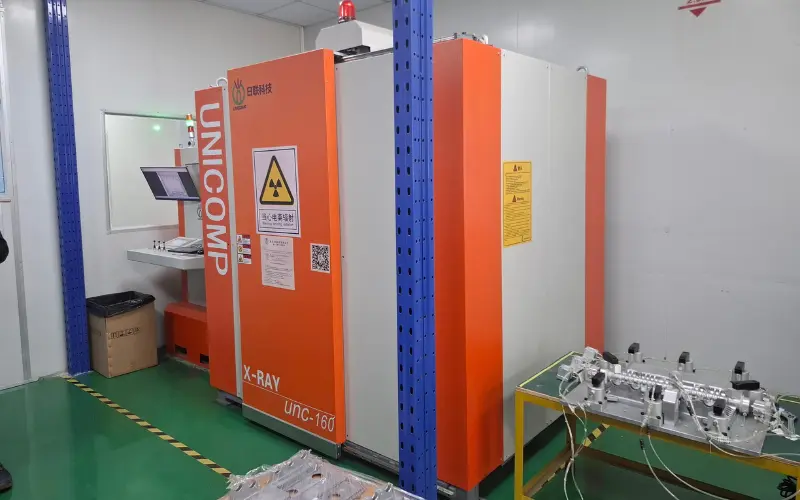
Complete Magnesium Die Casting Manufacturing Process
From initial design analysis to final inspection, AlumCasting provides a complete manufacturing workflow for magnesium components.
1. Engineering Review & DFM Optimization
Successful magnesium die casting starts before the first shot of molten metal. Our engineering team reviews part geometry, wall thickness, draft angles, rib structures and machining requirements to reduce production risks.
Through early Design for Manufacturing (DFM) analysis, potential issues such as filling imbalance, shrinkage, distortion and tooling limitations can be identified before mold production.
This approach helps customers shorten development cycles and achieve stable mass production. Learn About DFM Design (page deferred — not in Batch 1)
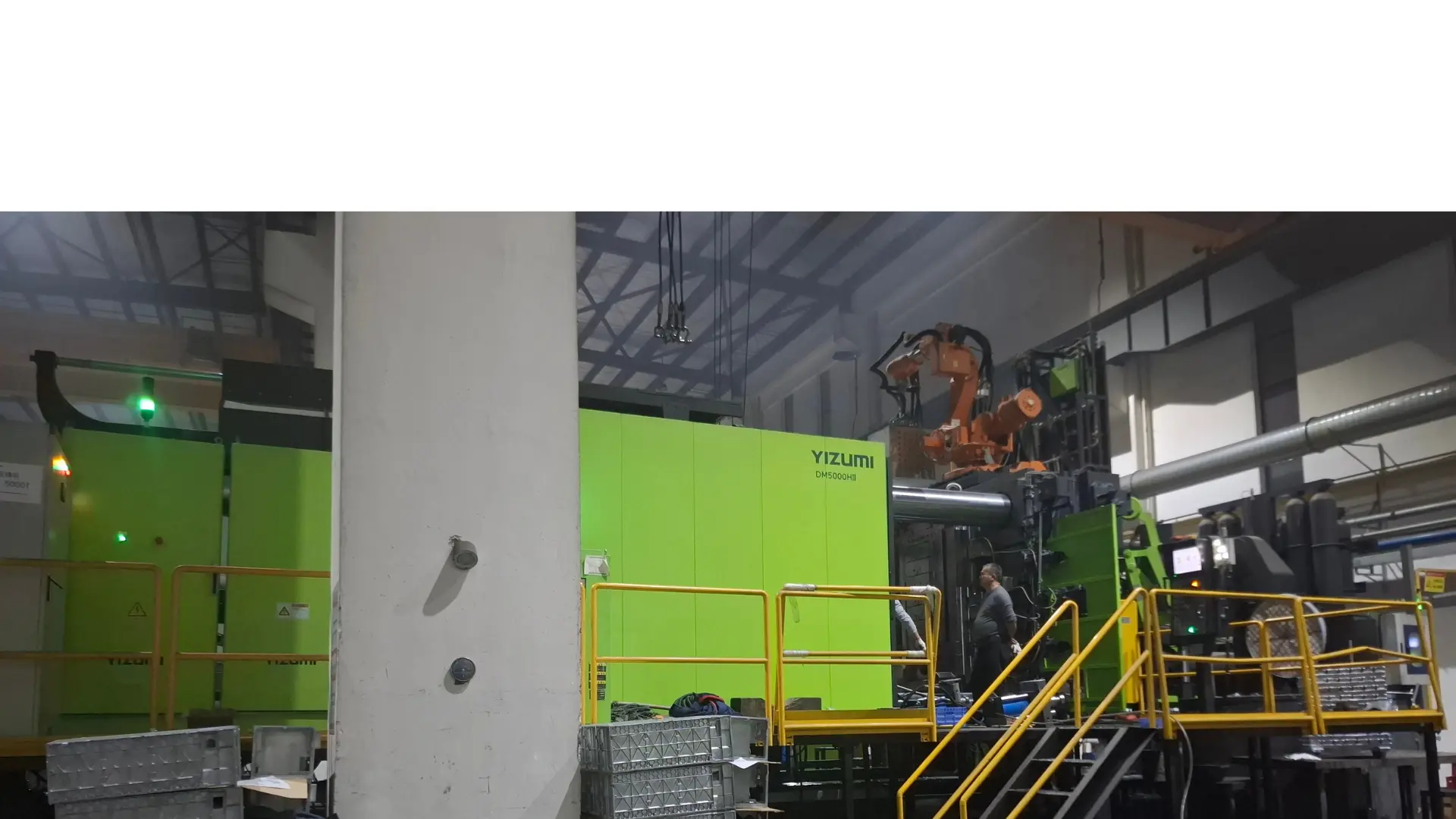
Precision Tooling for Magnesium Casting
Magnesium components often require complex geometries, thin walls and tight dimensional requirements. The quality of the die directly determines casting consistency.
Our tooling engineers focus on:
- Optimized runner and gating systems
- Thermal balance control
- Long-life die construction
- Easy maintenance design
- Reduced cycle time during production
By integrating tooling development with casting and machining capabilities, AlumCasting provides a true one-stop manufacturing solution. Explore Die Casting Tooling
Magnesium Die Casting Applications for Automotive and EV
Lightweight magnesium components are helping automotive manufacturers achieve higher efficiency and improved driving performance.
EV Components
Magnesium alloys are suitable for EV lightweight structures including battery-related housings, brackets, motor covers and electronic component enclosures. Explore EV Casting Solutions (page deferred — not in Batch 1)
Automotive Interior Parts
Excellent vibration damping makes magnesium ideal for instrument panels, seat structures, steering components and interior support parts. Automotive Casting Applications
Industrial Equipment
Lightweight magnesium housings improve portability and durability for industrial tools, electronics and mechanical equipment.
Quality Control for Reliable Magnesium Castings
Precision manufacturing requires more than producing a casting. Every component must meet dimensional, structural and functional requirements.
Inspection Technologies
AlumCasting uses advanced inspection equipment to verify casting quality throughout production.
- CMM Inspection: Dimensional verification for critical tolerances.
- X-Ray Inspection: Internal defect and porosity analysis.
- Leak Testing: Ensuring pressure and sealing performance.
- Material Verification: Alloy composition and mechanical property control.
For projects requiring strict reliability standards, our inspection capabilities support automotive and industrial customers with consistent quality assurance. Learn About X-Ray Porosity Inspection (page deferred — not in Batch 1)
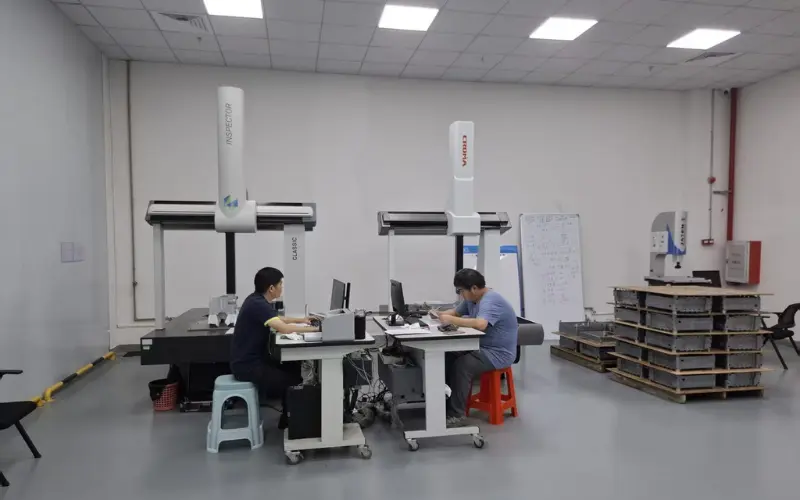
Controlling Porosity and Internal Quality
One of the biggest concerns in metal casting is internal porosity. For magnesium components used in automotive and structural applications, internal integrity is essential.
Our inspection process combines process control, casting parameter optimization and X-Ray examination to identify hidden defects before shipment.
Beyond Casting: CNC Machining and Surface Finishing
A magnesium casting is often only the beginning of the manufacturing journey. Many customers require additional machining, surface treatment and assembly preparation. AlumCasting integrates precision CNC machining and finishing processes to reduce supplier coordination and improve production efficiency.
Our capabilities include:
- Precision CNC machining
- Deburring and surface preparation
- MAO coating and corrosion protection
- Dimensional finishing after casting
Explore CNC Machining Capability
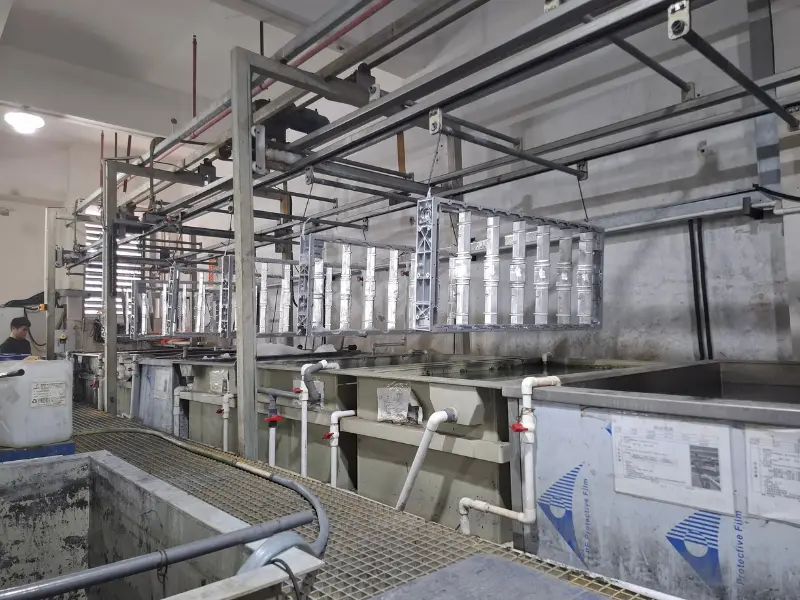
Magnesium Die Casting Corrosion Protection Solutions
One of the most important considerations when selecting magnesium components is corrosion protection. Unlike aluminum, magnesium requires specialized surface engineering to ensure long-term durability in demanding environments.
At AlumCasting, we understand that magnesium casting performance does not end after molding. Surface treatment is an essential part of the final product reliability.
Our engineers work with customers to select suitable finishing methods based on application requirements, including:
- MAO (Micro Arc Oxidation) coating for enhanced corrosion resistance
- Protective coatings for automotive and industrial environments
- Surface preparation before assembly or painting
- Customized finishing solutions for specific operating conditions
For more details about magnesium protection technology, visit: Magnesium Die Casting Corrosion Protection and MAO Coating (page deferred — not in Batch 1)
Magnesium vs Aluminum Die Casting: How Engineers Choose the Right Material
Material selection depends on performance requirements, not simply cost. AlumCasting helps customers evaluate the best solution for each application.
When Magnesium Is Preferred
Magnesium is ideal when weight reduction, vibration absorption and portability are important design goals.
- EV lightweight structures
- Automotive interior components
- Electronic housings
- Portable equipment
When Aluminum Is Preferred
Aluminum remains an excellent choice for applications requiring higher thermal conductivity, corrosion resistance or large structural casting capability. Explore Aluminum Die Casting
Engineering Support
Our engineers compare material options based on strength, weight, production volume and lifecycle cost. Material Comparison Guide (page deferred — not in Batch 1)
Why Choose AlumCasting as Your Magnesium Die Casting Supplier?
Choosing a magnesium die casting supplier is not only about finding a factory with casting machines. It is about finding an engineering partner who understands your product challenges.
At AlumCasting, we combine:
- Professional die casting engineering experience
- Integrated tooling, casting, CNC machining and finishing capabilities
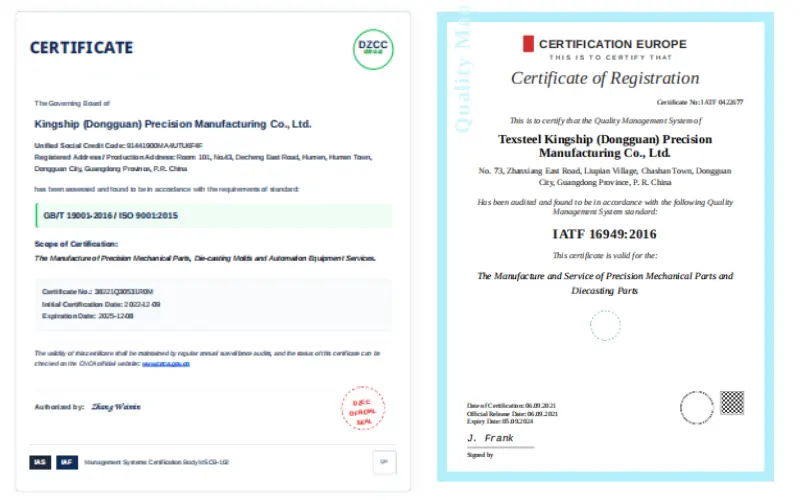
- Strict quality management system
- Support from prototype development to mass production
- Experience serving automotive and industrial customers
Our goal is simple: help customers create lighter, stronger and more reliable products. Learn About AlumCasting
Related Manufacturing Capabilities
- Aluminum Die Casting
- Semi-Solid Die Casting (page deferred — not in Batch 1)
- Precision CNC Machining
Frequently Asked Questions About Magnesium Die Casting
What is magnesium die casting?
Magnesium die casting is a manufacturing process where molten magnesium alloy is injected into a precision mold under high pressure to create lightweight and complex metal components.
Which magnesium alloys does AlumCasting use?
AlumCasting commonly works with AZ91D and AM60B magnesium alloys for automotive, EV and industrial applications.
Can magnesium die castings be CNC machined?
Yes. AlumCasting provides integrated CNC machining services to achieve final dimensions and assembly requirements after casting.
How does AlumCasting control magnesium casting quality?
Quality control includes process monitoring, CMM dimensional inspection, X-Ray inspection, leak testing and material verification.
Looking for a Reliable Magnesium Die Casting Supplier?
Share your drawings, material requirements and production goals. Our engineering team will evaluate your magnesium casting project.
Quality & Engineering Assurance
Every AlumCasting project is backed by certified quality systems and in-house verification:
- IATF 16949Automotive quality management
- ISO 9001Certified quality system
- PPAP SupportProduction part approval
- X-Ray InspectionInternal porosity verification
- Porosity ControlStructural reliability
- CMM DimensionalPrecision measurement
Ready to start your project?
Talk to AlumCasting engineers about your casting, machining and tooling requirements.