
Liquid-Cooled Aluminum Cooling Plates for Electric Vehicles
IATF 16949 certified manufacturing of liquid cooled aluminum cooling plates for electric vehicles. Explore our porosity control, custom DFM, and precision multi-axis CNC post-machining.
Request a QuoteIATF 16949 Certified Manufacturing of High-Performance EV Cold Plates, Multi-Channel Thermal Management Systems, and Custom Liquid-Cooling Solutions for Next-Gen Mobility.
Thermal management is the premier benchmark of modern electric vehicle efficiency, cell longevity, and rapid-charging reliability. Within compact battery assemblies and high-power density inverter configurations, liquid cooled aluminum cooling plates for electric vehicles act as safety-critical thermal regulators. These components must dissipate tremendous heat spikes while preventing coolant leakage into high-voltage electrical tracks. Manufacturing these intricate flow systems demands professional metal handling, robust tooling execution, precise microstructural density control, and strict multi-axis finish machining.
OEM Capabilities in Advanced Thermal Management
The push to reduce overall vehicle mass while optimizing battery tray volumes requires thin-wall fluid structures that do not compromise mechanical rigidity. Delivering multi-channel internal fluid pathways with minimal profile thickness requires immense fill velocities and precise die thermal stabilization. Minor localized temperature drops across the mold during injection can cause structural defects or early metal freezing.
Our facility manages these variables during pre-production using detailed how DFM analysis reduces die casting costs protocols. We carefully evaluate metal fill vectors, design specialized thermal management lines within the tool steel inserts, and minimize draft friction to ensure stable part execution. This approach supports seamless product development, accelerating lead times from initial custom casting EV battery housing prototypes to validated, high-volume production output.
Technical Capabilities for EV Cold Plates:
- Advanced Sub-Surface Security: Utilizing vacuum extraction during the high pressure die casting process and quality flow to eliminate internal micro-voids.
- Integrated Secondary Processing: Streamlining lead times through our consolidated one stop die casting CNC machining surface finishing pipeline.
- 100% Quality Validation: Employing multi-stage pneumatic pressure decay checks, real-time X-ray verification, and strict CMM qualification tracking.
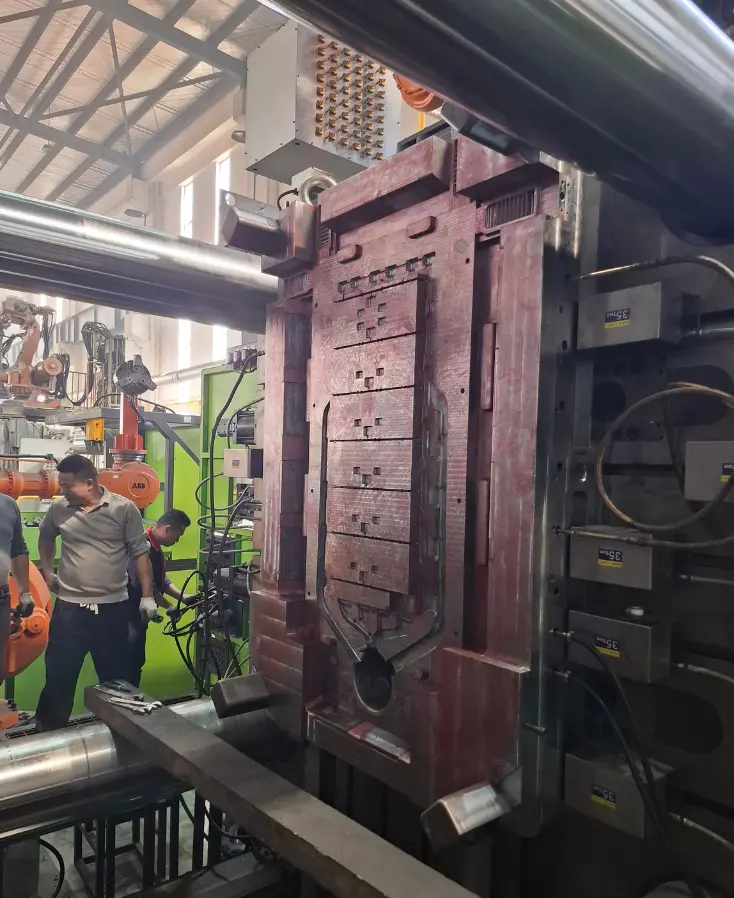 Figure 1: Custom Tooling Design & Tooling Fabrication for EV Liquid Cooling Infrastructure.
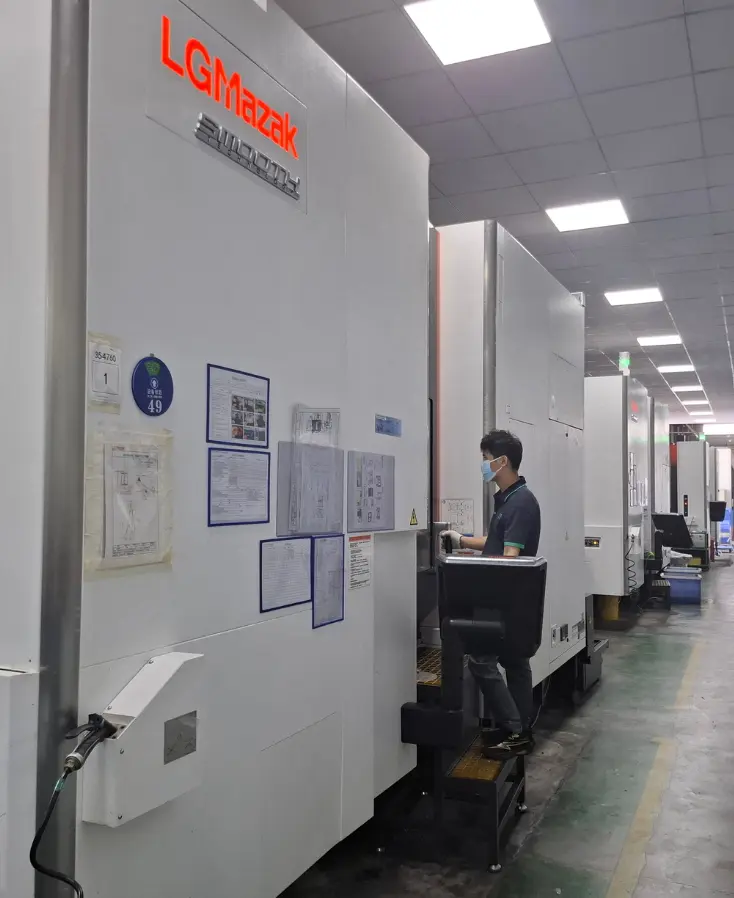 Figure 2: Multi-Axis CNC Post-Machining Workstations for Complex EV Components.
Material Selection: Optimizing Thermal and Structural Integrity
Standard metal choices are often insufficient when handling the pressure cycles and structural stresses encountered by liquid-cooled EV assemblies. To help customers optimize performance, our engineering desk routinely provides technical analyses, such as comparing magnesium vs aluminum die casting or detailing aluminum to magnesium conversion weight reduction possibilities to meet aggressive fleet targets.
For liquid-cooling paths requiring structural welding or tight pressure retention, our team often explains why we recommended A356 over ADC12 high stress structural parts. A356 alloy provides exceptional thermal transfer rates and elongation properties when paired with an optimized t6 heat treatment semi solid die casting aluminum process. Furthermore, our automated thermal cells utilize advanced multi-stage baking schedules to prevent blistering aluminum t6 heat treatment anomalies, ensuring part consistency across high-volume production schedules.
| Thermal Component Application | Recommended Aluminum Alloy | Key Engineering Advantage |
|---|---|---|
| Multi-Channel Battery Cold Plates | A356 Aluminum (T6 Tempered) | High thermal conductivity, ductile structural matrix, leak-proof channels. |
| Integrated Inverter Chillers | A356 / A380 Aluminum | Excellent pressure retention under high thermal stress load conditions. |
| Lightweight Thermal Enclosures | Magnesium AZ91D / AM60B | Significant mass optimization paired with advanced internal vibration dampening. |
Sub-Surface Density: Defeating the Porosity Leak Threat
Internal micro-porosity is a primary challenge when manufacturing liquid-cooled metal components. Sub-surface gas entrapment or localized shrinkage voids can interconnect under stress, forming microscopic leak pathways. Over time, system pressure and continuous thermal cycling can cause coolant to breach internal walls, risking short circuits within high-voltage electrical tracks.
Our facility prevents sub-surface leakage paths by combining real-time vacuum extraction with a comprehensive porosity control x ray inspection castings program. Every single component lot undergoes non-destructive pressure decay testing to confirm hermetic integrity. For critical battery cooling trays that demand dense structural layers, we deploy specialized pore free die casting weldable automotive structural parts processes to ensure reliable, field-ready performance.
High-Tolerance Post-Machining and Surface Calibration
After casting solidification, liquid cold plates require exceptionally precise geometric profiles. Mating surfaces, seal grooves, and port interfaces frequently require flatness and true position tolerances down to ±0.01mm to ensure reliable, long-term sealing against high-pressure coolant circuits.
To ensure part stability and mitigate internal stresses, all finishing work is processed within our temperature-controlled high tolerance automotive cnc machining facility. Utilizing specialized multi-axis horizontal and vertical machining configurations, we execute complex face milling and port boring in a single setup. This minimizes indexing errors, maintaining dimensional precision across high-volume production schedules.
Partner with an IATF 16949 Certified EV Cold Plate Manufacturer
Get in touch with our tooling design and metallurgical engineering teams for an authentic model review, technical material configuration, and a competitive manufacturing quote. Submit Technical RFQ & Drawings
- How do you guarantee zero-leakage performance for EV liquid cooling plates?
We combine high-vacuum high-pressure die casting with real-time digital X-ray flaw detection to eliminate sub-surface gas porosity. Post-machined cooling plates undergo 100% pneumatic pressure decay testing and high-sensitivity hydraulic decay leak checks to ensure absolute hermetic sealing under custom pressure thresholds.
- Why is A356 aluminum alloy preferred over ADC12 for high-stress liquid cooling channels?
A356 aluminum exhibits exceptional thermal conductivity and structural ductility, particularly after undergoing a full T6 heat treatment. Unlike ADC12, which contains higher iron impurities that cause brittleness and potential blistering during heat baking, A356 provides the uniform microstructural density required for robust pressure retention and reliable welding.
- Can your facility support initial low-volume prototyping and bridge production for EV cold plates?
Yes, we support the entire lifecycle from initial product verification to high-volume distribution. We offer rapid prototyping options, specialized bridge tooling, and small-batch processing to validate thermal models before transitioning to high-volume automated casting runs.
Ready to start your project?
Talk to AlumCasting engineers about your casting, machining and tooling requirements.