
Explosion-Proof Aluminum Enclosures for Oil & Gas Industry
Skip the middleman markup. A 20-year metallurgical veteran details the micro-mechanics of manufacturing explosion proof aluminum enclosures for the oil and gas industry. See our Ex d flamepath milling, pore-free high-pressure casting, and real floor validation data.
Request a QuoteWhen internal ignition strikes, the casting must contain the blast wave. Let’s analyze gas porosity micro-voids, flamepath joint profiles, and hydrostatic verification metrics. Request a Hazardous Area Drawing Audit
Why Generic Die Castings Can Fail in Petrochemical Explosive Environments
If you are an electrical design specialist or compliance procurement head sourcing protective junction systems for refinery infrastructure, offshore rigs, or gas processing stations, you recognize the stakes. The market is filled with catalog traders offering general-purpose explosion proof aluminum enclosures for oil and gas industry projects. However, behind those generic web catalog listings often lies a dangerous shortcut: casting designs originally engineered for simple water-tight enclosures repackaged to bypass safety checks.
As an industrial engineer with twenty years on casting shop floors in Guangdong, I tell our partners directly: an Ex d flameproof enclosure operates under strict thermal-hydraulic physics. If an internal electrical spark ignites accumulated hydrocarbon gases, the enclosure wall must endure intense shockwaves without fracturing. If your vendor runs a basic casting process without proper internal checking, subsurface shrinkage pockets will form hidden paths. The explosive gas flame path will cut directly through those sub-surface micro-pores, turning an isolated internal spark into an immediate facility-wide ignition event.
A True Shop Floor Reality Check:
An explosive shockwave seeks out any weak point. A flamepath joint or flanged lid assembly that shows even tiny amounts of parting-line misalignment or micro-porosity under machining will strip its threads or warp under high pressures. True flameproof containment requires thick-walled mold configurations, high-tonnage structural machinery, and complete radiographic sorting of structural components.
To avoid dangerous failure points in high-vibration drilling fields, components require a controlled manufacturing process. By routing your custom hazardous-area enclosures through a specialized large-scale aluminum die casting expertise workflow, we maintain a uniform micro-structure and strict quality control on every production run.
Defending Hazardous Areas: Our Plant Testing Capabilities
We do not rely on assumptions for critical safety components. Our manufacturing floor deploys high-tonnage machinery alongside precise inspection tools to verify drawing requirements.
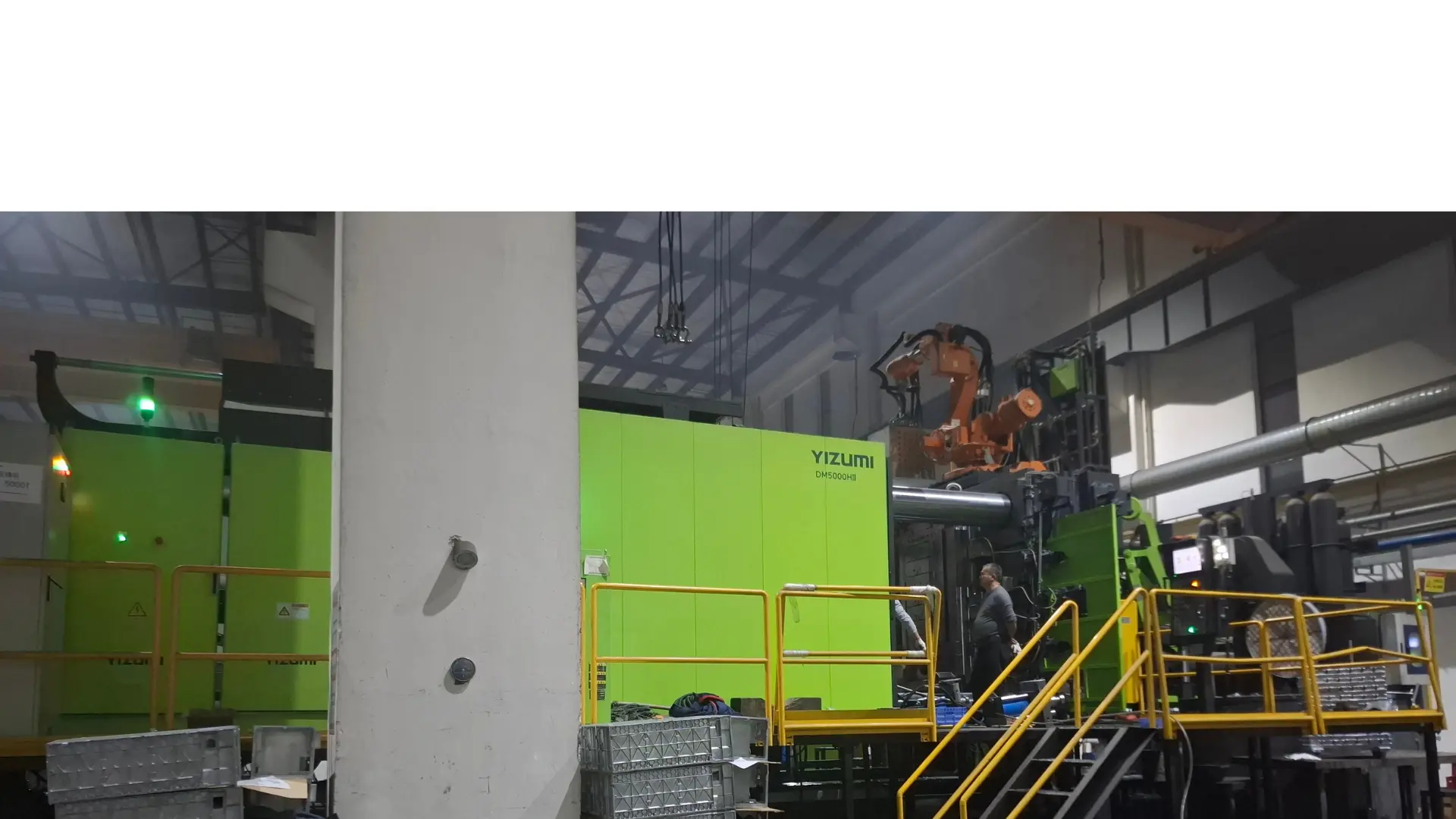
High-Pressure Casting Infrastructure
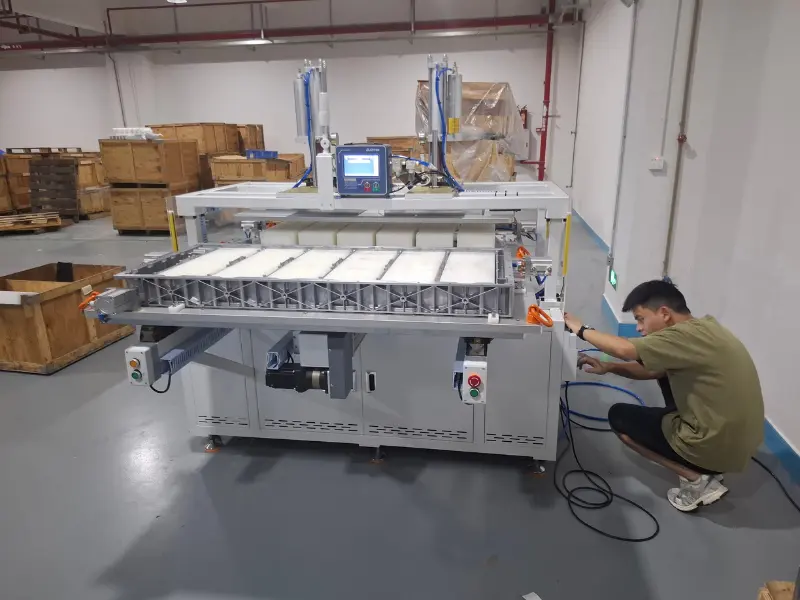
We use large-scale automated injection cells, including our specialized large scale 5000t aluminum die casting factory China setup, to deliver the clamping pressure required to cast thick-walled, heavy-duty Ex d instrument boxes without parting-line defects.
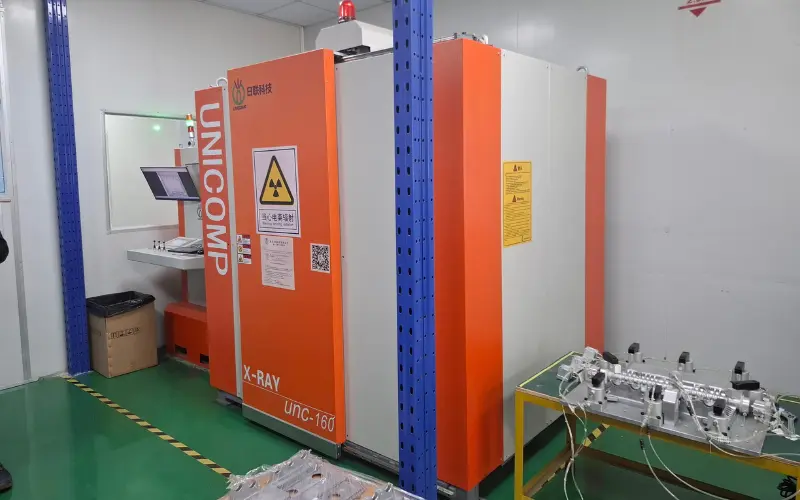
Complete Subsurface Integrity Checks
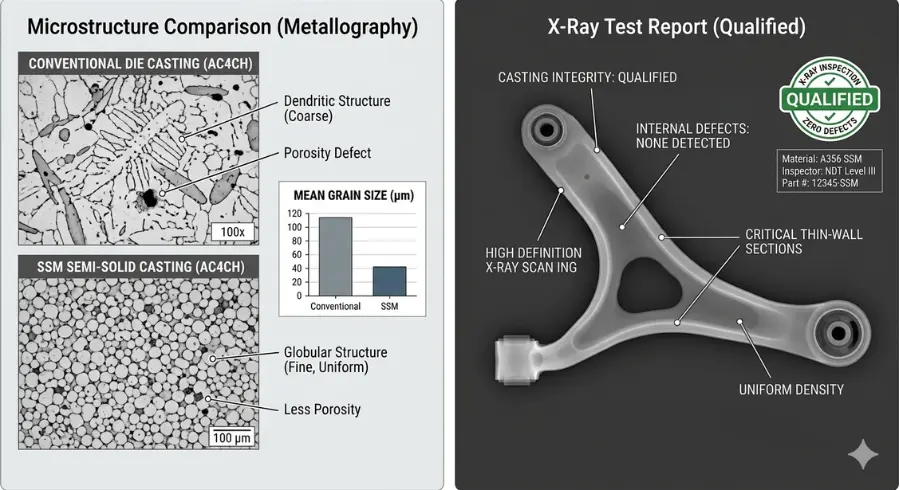
Every structural batch undergoes inspection in our digital porosity control x-ray inspection castings chamber, scanning the main walls to prevent hidden structural defects from slipping through.
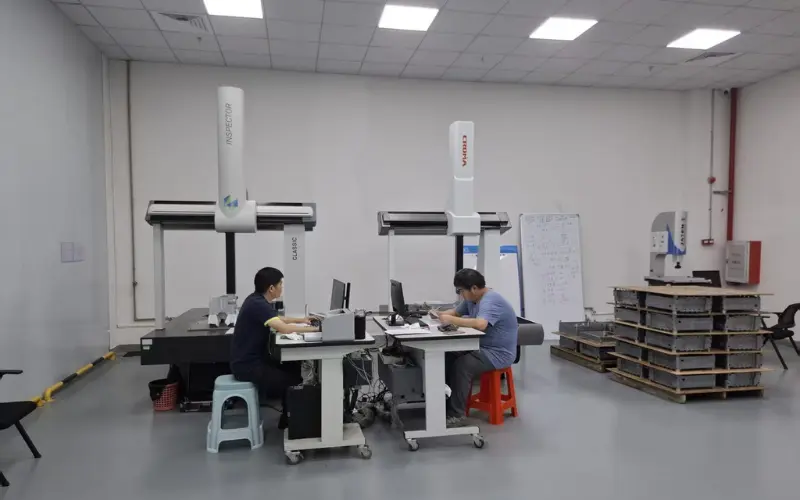
Precision Flamepath Metrology
Using our precision Zeiss CMM metrology center running down to ±0.001 mm, we verify critical dimensions on flanged surfaces and thread depths, meeting high-level high tolerance automotive CNC machining alignment requirements.
Process Alignment Matrix: Achieving Certified Flameproof Safety Boundaries
Our casting floor works to clear, measurable engineering steps. We balance mold temperature, metal selection, and post-processing steps to ensure structural safety:
| Critical Quality Metric | Foundry Operational Standard | Real-World Field Protection Target |
|---|---|---|
| Wall Density Verification | Tested to the ASTM E155 standard X-ray porosity reference framework. | Guarantees pore-free structural metal walls that withstand internal high-pressure gas explosions. |
| Flamepath Joint Finish | Precise surface finish management in our specialized automotive CNC machining equipment list loop. | Maintains joint dimensions to extinguish escaping hot gases before they can reach the outside air. |
| Maritime Salt-Air Shielding | Advanced coatings managed through our surface finishing aluminum magnesium casting chemical lines. | Provides long-term environmental protection against aggressive corrosion on offshore drilling vessels. |
| Tooling Cost Optimization | Early engineering review utilizing our specialized cost down DFM design aluminum die casting molds strategies. | Adjusts tool parting lines early to reduce flash and secure proper wall thickness. |
By evaluating these parameters before machining, we help engineering groups minimize manufacturing risks. We manage production safely from prototype stages through long-term scaling die casting production T0 to 10000 units programs with consistent quality tracking.
Engineering Technical Review: Hazardous Area Foundries
Q1: How do you adjust the high pressure die casting process quality to cast heavy, thick-walled explosion-proof bodies without shrinkage defects?
A: Thick aluminum features shrink naturally during solidification. To combat this, we run high-pressure injection cycles and modify raw casting speeds. By adjusting fill velocities and applying heavy squeeze pins in slow-cooling areas, we prevent micro-voids. This focus keeps our high pressure die casting process quality reliable for heavy pressure containment needs.
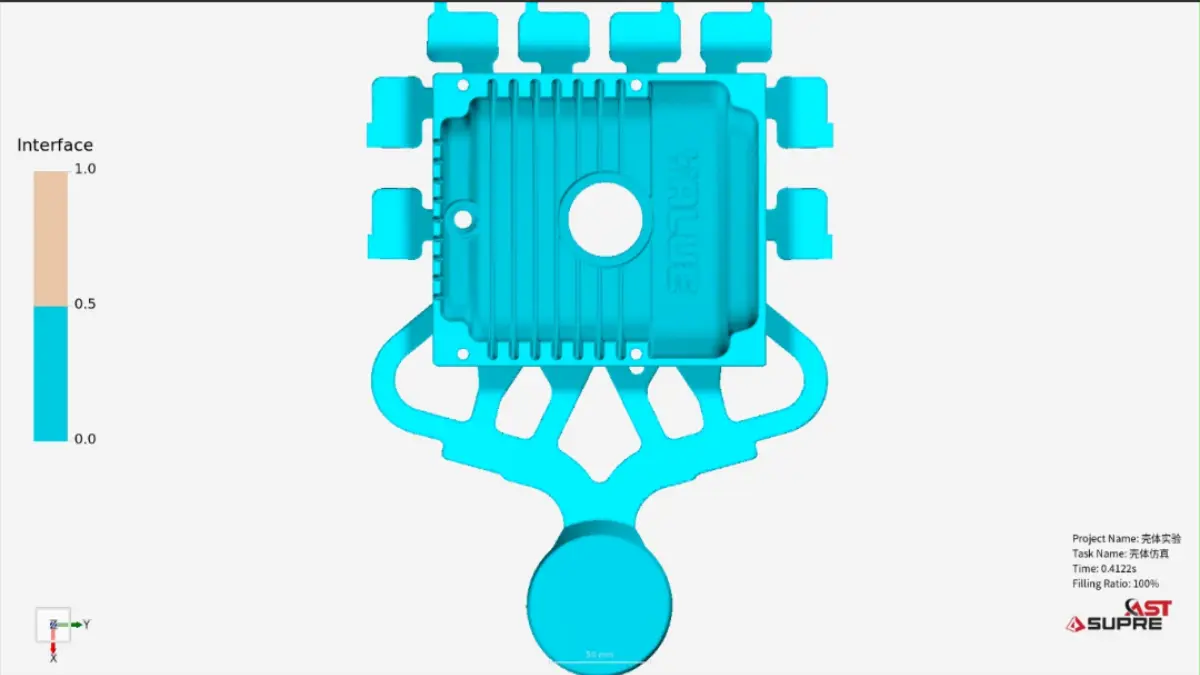
Q2: Why is vacuum-assisted air-tight processing necessary for hazardous environmental terminal and terminal housings?
A: Standard high-pressure injection can trap pocket air inside mold spaces. For structural enclosures, trapped air creates internal weaknesses. We use advanced vacuum assisted die casting vs conventional hpdc air tightness setups, evacuating mold cavities to under 50 mbar before injecting aluminum. This step ensures clean metal structures that remain stable under pressure.
Q3: What alternative high-toughness alloys can be cast for extreme arctic drilling environments?
A: When low temperature impacts are a concern, standard alloys can become brittle. We often suggest high-purity aluminum options or manage casting parameters via a specialized a356 aluminum die casting porosity control setup. This material option provides higher elongation and impact resistance at low temperatures, ensuring performance on northern drilling platforms.
Q4: How do you guarantee the plane dimensions of the main Ex d flamepaths after machining?
A: Flamepath joints require high flat-plane accuracy to cool escaping gas during an internal event. We finish these functional faces in our climate-stable CNC rooms using sharp, multi-axis tools. The parts are checked directly via our calibrated IATF 16949 high tolerance automotive CNC machining supplier quality workflow to guarantee the necessary surface flatness.
Frustrated by Broker Delays and Quality Rejections?
Send your engineering data directly to a factory team that understands hazardous location requirements. Whether you are dealing with large flamepath flange shapes or developing high-volume large-scale aluminum die casting expertise designs, our technical specialists will deliver a detailed DFM assessment and formal quotation within 48 business hours.
All engineering drawings, 3D models, and commercial requirements are secured under mutual Non-Disclosure Agreements (NDA). Reach our team anytime via our contact channel.
Submit Hazardous Area RFQ Influx
Looking to secure your hazardous location enclosures? Review our complete one-stop die casting manufacturing capabilities.
Ready to start your project?
Talk to AlumCasting engineers about your casting, machining and tooling requirements.