
Custom Aluminum Die Casting for EV Powertrain Components
A raw, 20-year tooling engineer perspective on custom aluminum die casting for EV powertrain components. Uncovering structural porosity control, thin-wall challenges, and tight precision CNC post-machining.
Request a QuoteIATF 16949 Certified OEM/ODM Manufacturing Partner For Next-Generation Electric Drive Housings, Liquid-Cooled Inverter Enclosures, and Safety-Critical Structural Powertrain Components.
In the rapidly advancing electric vehicle landscape, powertrain structural requirements demand a paradigm shift away from traditional industrial commercial casting methods. Components such as e-drive motor housings, battery structures, and complex inverter bases are no longer simple protective shields—they act as advanced, safety-critical pressure vessels handling high-voltage integration, immense mechanical loads, and specialized fluid thermal dynamics. Delivering high-performing custom aluminum die casting for EV powertrain components requires a precise alignment of custom-engineered tooling fabrication, strict melt metallurgy, and high-tolerance post-machining execution.
Engineered Capabilities for Automotive Electrification
The engineering imperative to minimize structural weight while improving battery range forces vehicle architecture into ultra-thin-wall engineering. Achieving uniform wall configurations between 1.5mm and 2.5mm over expansive physical dimensions requires significant injection velocities and advanced, multi-zone thermal die control. Without uniform heat mitigation across tool surfaces, production runs risk early structural solidification or localized cold shuts.
To eliminate these core defects before steel fabrication begins, our facility conducts comprehensive, front-end engineering via specialized cost-down DFM mold analysis. By optimizing flow vectors, evaluating internal cooling insert loops, and modifying specific gate systems, we stabilize production yields and control complex tooling asset costs. This engineering workflow underpins our capability to support large-scale automotive production development, ensuring seamless transitions from initial concept testing to full line validation.
Automotive Core Engineering Focus:
- Advanced Micro-Structure Control: Deploying precise vacuum-assisted tooling processes to eliminate structural gas entrapment.
- Integrated Single-Source Sourcing: Seamless management across our proprietary one-stop die casting, CNC finishing, and surface treatment production lines.
- Strict Yield Assurance: 100% pneumatic leak checking, high-resolution X-ray defect mapping, and tight CMM qualification protocols.
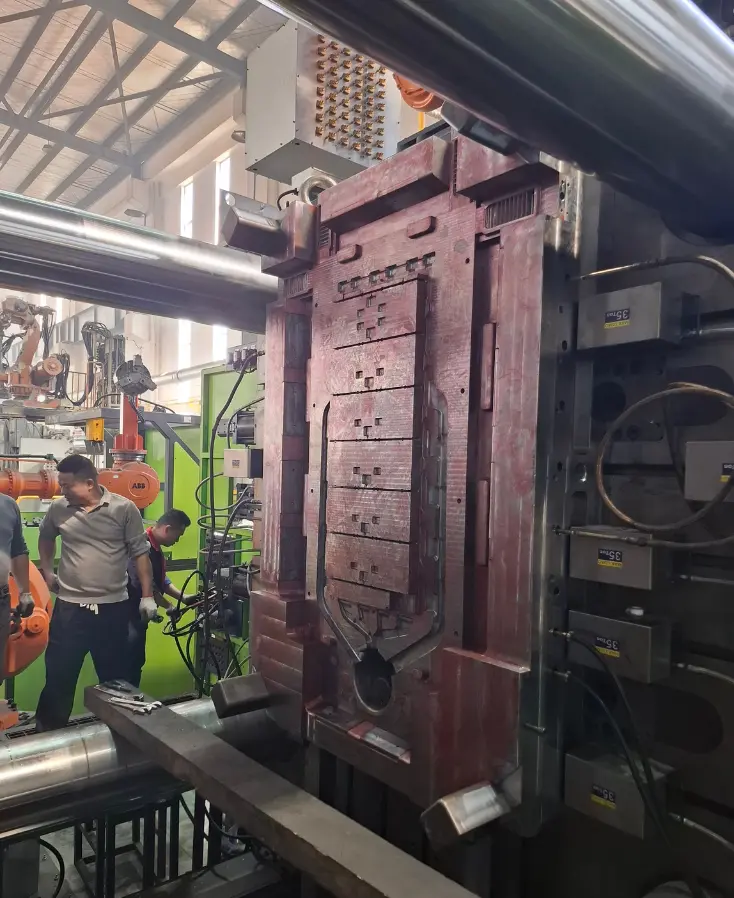 Figure 1: Custom Tooling Design & Tool Steel Inserts for EV Powertrain Enclosures.
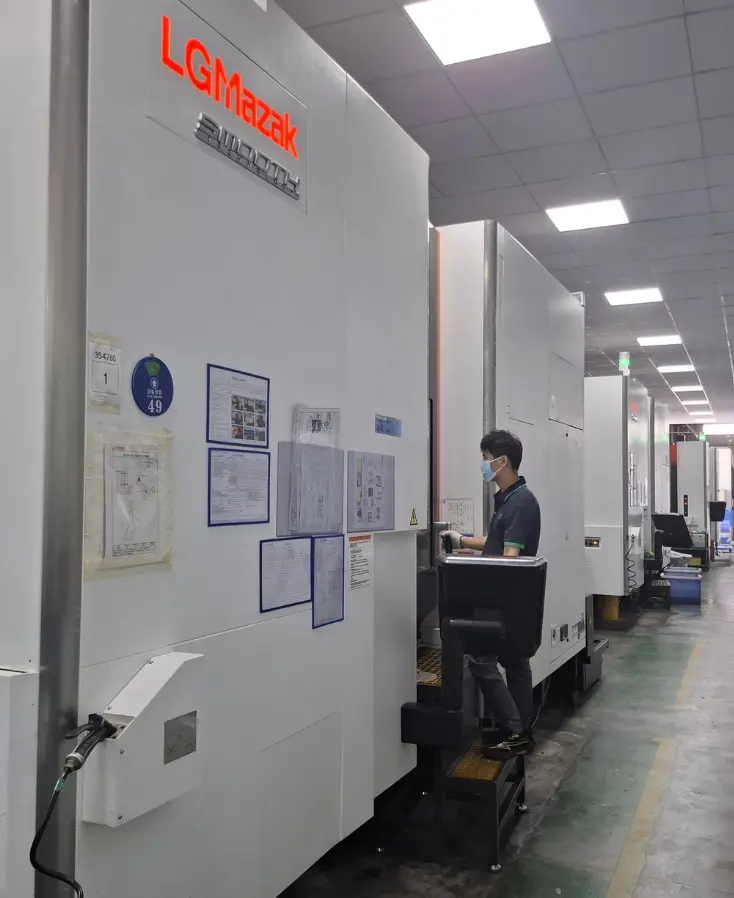 Figure 2: Multi-Axis Post-Casting CNC Precision Machining Workstations.
Metallurgical Selection: Structural Ductility vs. Mass Optimization
Standard commercial aluminum grades like ADC12 are often insufficient when tier-1 buyers demand high mechanical elongation or structural post-casting assembly welding. For high-stress powertrain architectures, choosing the correct material chemistry is essential. Our team works closely with technical procurement groups to navigate complex structural evaluations, such as analyzing magnesium AZ91D vs aluminum ADC12 for lightweight housings to achieve optimal mass reduction without compromising safety margins.
When high impact performance or ductility is required, our engineering desk frequently clarifies why we recommended A356 over ADC12 for high-stress structural parts. A356 aluminum responds exceptionally well to comprehensive T6 heat treatments, helping to avoid brittle fractures under sudden load stresses. Crucially, our automated thermal management cells incorporate specialized cooling profiles to prevent blistering during baking, ensuring structural density across every component lot.
| EV Powertrain Component | Primary Alloy Selection | Critical Process Advantage |
|---|---|---|
| Inverter Enclosures / Bases | A356 / ADC12 Aluminum | Excellent fluid thermal dissipation, low internal porosity for sealing. |
| Liquid-Cooled Motor Housings | A356 (T6 Condition) | High structural pressure integrity, zero micro-leakage channels. |
| Lightweight Protective Covers | Magnesium AZ91D / AM60B | Maximum mass reduction, high localized vibration dampening. |
Sub-Surface Integrity: Eliminating the Porosity Threat
For liquid-cooled powertrain castings, micro-porosity is a primary technical challenge. Internal air entrapment or localized shrinkage voids can create thin fluid pathways. Under continuous thermal stress and coolant system pressure, these hidden flaws can cause fluid to breach internal walls, risking fluid leaks into high-voltage electrical compartments.
Our foundry counters sub-surface defects by pairing high-performance vacuum extraction modules with a rigorous porosity control and X-ray inspection regime. Every structural part undergoes strict testing protocols to verify absolute sub-surface density. For safety-critical powertrain interfaces or battery cells that demand zero internal defects, we deploy specialized pore-free structural die casting methods to eliminate micro-voiding and support reliable field use.
High-Tolerance Post-Machining and Quality Validation
Following casting solidification, complex geometries like motor stator sleeves and traction inverter boxes require precise geometric dimensioning and tolerancing (GD&T). Critical bearing configurations and mating faces frequently call for positional alignment and roundness tolerances down to ±0.01mm to mitigate high-frequency NVH (noise, vibration, and harshness) issues across the drivetrain.
To ensure part stability after releasing raw casting stresses, all finishing work is processed within our temperature-regulated high-tolerance automotive CNC machining setup. Utilizing multi-axis horizontal and vertical machining configurations, we execute multiple complex operations in a single clamping cycle. This reduces position variance and supports seamless dimensional stability across high-volume production schedules.
Optimize Your EV Powertrain Component Procurement
Connect directly with our tooling design and metallurgy engineering teams for an authentic DFM model review, technical raw material configuration, and competitive cost optimization scheduling. Submit Technical RFQ & Drawings
- Why is structural porosity so critical in EV powertrain castings compared to traditional industrial parts?
Traditional castings only require external dimensional compliance. EV powertrain components, such as liquid-cooled inverter enclosures or motor housings, must endure extreme thermal cycling and fluid pressures. Internal gas or shrinkage porosity acts as a structural stress riser and causes microscopic fluid pathways. Under pressure testing, these pathways lead to disastrous coolant leaks into high-voltage electrical components.
- Which alloy is recommended for structural, high-stress EV components: A356 or ADC12?
For high-stress structural powertrain elements that require T6 heat treatment or structural welding, A356 aluminum is highly recommended over standard ADC12. A356 offers superior elongation, impact toughness, and mechanical performance following heat treatment, whereas ADC12’s higher iron content increases brittleness and risks blistering during high-temperature baking.
- How does your workshop handle tool deformation during high-volume EV structural casting?
We utilize advanced mold-flow analysis alongside premium localized thermal management channels within our H13 tool steel inserts. By deploying vacuum-assisted venting and precision multi-zone oil heaters, we maintain uniform die temperatures, preventing structural warping and guaranteeing wall thickness uniformity across large-scale runs.
Ready to start your project?
Talk to AlumCasting engineers about your casting, machining and tooling requirements.