
AZ91D Magnesium Die Casting for Automotive Parts
With 20+ years in precision B2B tooling, our engineering lead breaks down why AZ91D magnesium die casting is redefining lightweight automotive parts, EV housings, and thin-wall structural integrity. Discover the real challenges of porosity and corrosion control.
Request a QuoteExplore our complete az91d magnesium die casting automotive parts solution overview.
“If you are a Tier-1 automotive procurement manager or an EV structural engineer, you’ve likely been pressured to cut grams. But let’s be honest—converting from aluminum to magnesium isn’t just a material swap; it’s a battle against freezing rates, micro-porosity, and strict corrosion specs. Here is how we make it work without compromising the bottom line.”
— Written by Hank Zhang, Senior Tooling & Casting Professional at Alumcasting
The Lightweight Mandate: Why AZ91D Controls the Grid
In the automotive sector, weight reduction is no longer a luxury—it is survival. Whether you are extending the range of an electric vehicle or balancing an ICE chassis, AZ91D magnesium die casting for automotive parts presents the ultimate engineering frontier. At 1.81 g/cm³, magnesium is 33% lighter than aluminum and 75% lighter than steel.
When comparing Magnesium AZ91D vs Aluminum ADC12, AZ91D offers superior thin-wall flowability and exceptional specific strength. This allows us to engineer ultra-thin, highly integrated automotive die casting parts, consolidating multiple sheet-metal stampings into a single, elegant shot.
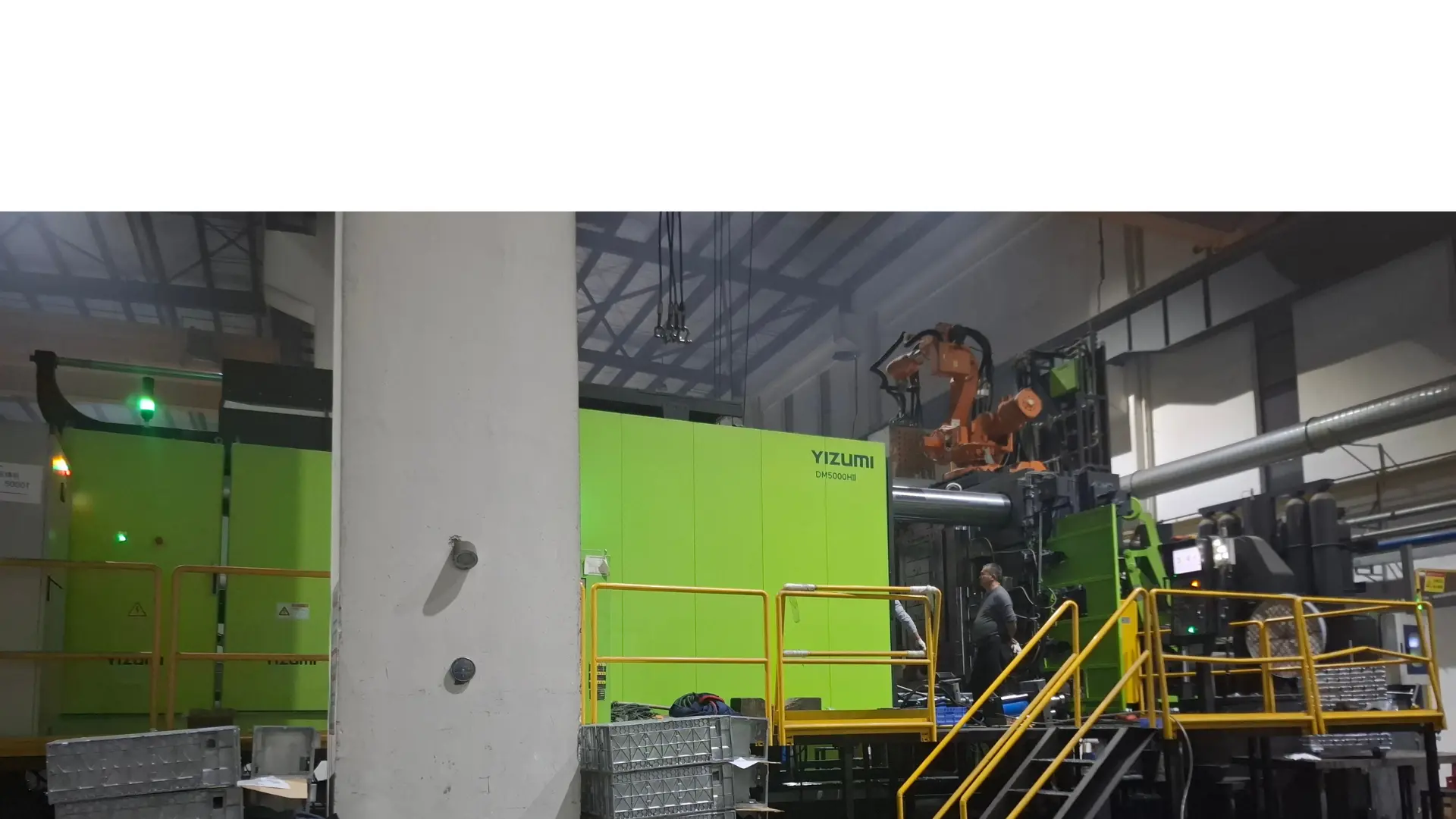 Figure 1: Our Giga-scale heavy-duty high-pressure die casting equipment designed for structural automotive applications and complex conversions.
The Truth Nobody Tells You: The Hard Reality of Casting Magnesium
Most AI-generated blog posts will tell you that magnesium is a miracle metal. But out on the shop floor, at 2:00 AM when the scrap rate spikes, we see the real face of magnesium. It has a lower latent heat of fusion and lower heat capacity than aluminum. This means it freezes incredibly fast.
If your tool design or mold DFM analysis is slightly off, you run into cold shuts, severe shrink defects, or catastrophic micro-porosity. For critical automotive applications like steering column housings, bracket systems, or complex EV battery housing die castings, sub-surface porosity means mechanical failure under fatigue.
How We Tame the Beast: Porosity Elimination
We don’t rely on luck. At Alumcasting, we employ rigorous vacuum-assisted high pressure die casting processes to extract gases before the melt hits the cavity. Every critical automotive batch passes through our internal NDT matrix. We visualize internal densities utilizing advanced industrial radiographic scanning.
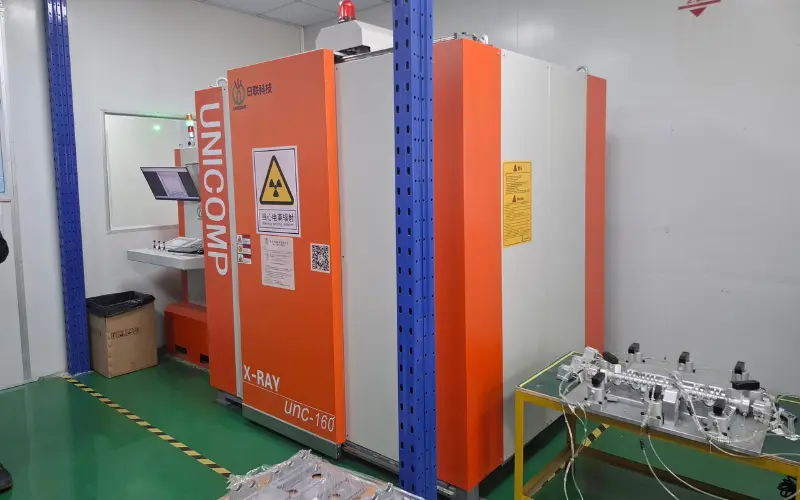 Figure 2: In-house non-destructive X-ray inspection ensuring zero critical porosity defects in structural components.
The Alumcasting Edge: Beyond the Raw Casting
A raw casting right out of the die is only half the battle won. In the automotive market, a part is useless if its tolerances don’t line up perfectly or if galvanic corrosion destroys it in the field. That is why we built a cohesive one-stop die casting, CNC machining, and surface finishing workflow under one single roof in Dongguan.
| Process Milestone | Automotive Technical Requirement | How We Execute in Our Shop |
|---|---|---|
| Precision Milling | Tolerances within ±0.01mm for mating faces. | Multi-axis high tolerance automotive CNC machining clusters. |
| Corrosion Shield | Salt spray test resistance > 480 hours. | Advanced MAO coating and chemical passivation techniques. |
| Fluid Leak-Proof | Zero air/oil pressure drop in enclosed housings. | 100% pneumatic sealing and underwater bubble validation line. |
When processing thin-walled magnesium components, the vibration during CNC operations can warp the parts if the fixtures aren’t expertly designed. Our dedicated shop utilizes high-speed multi-axis tooling matrices that counteract residual stress, ensuring flawless execution every single run.
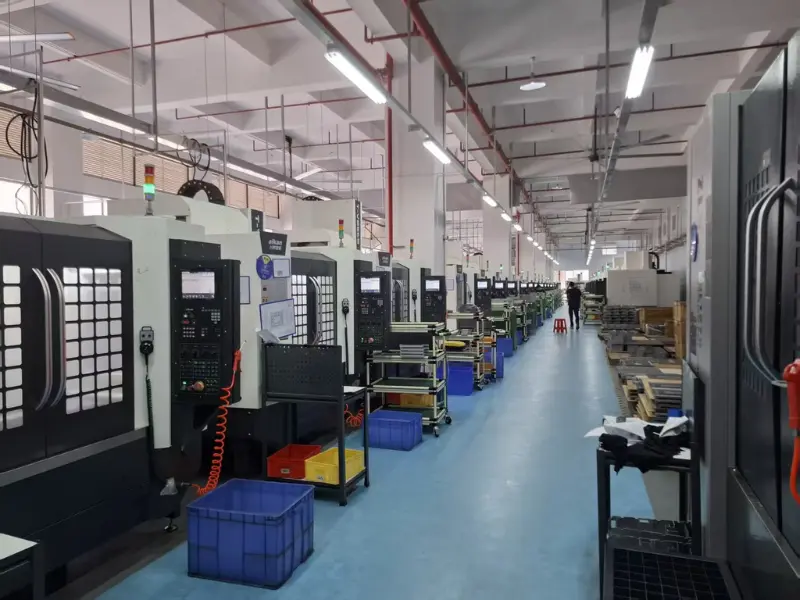 Figure 3: Dedicated high-speed milling center handles secondary automotive profiling.
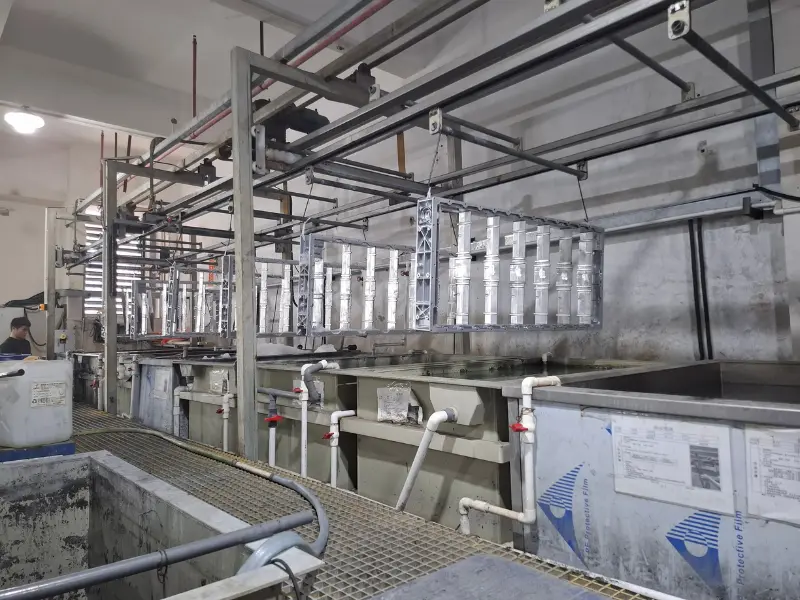 Figure 4: Automated surface line executing proprietary protective anti-corrosion finishes.
Quality is Not a Slogan: It’s the Automotive Lifeline
In our 20 years of experience serving international OEMs, we know that an uncertified facility is a non-starter. Our plant is strictly managed under global benchmarks. We live and breathe dimensional fidelity. Our metrology room runs fully automated multi-axis coordinate tracking systems to cross-reference every critical dimension directly back to your 3D CAD files.
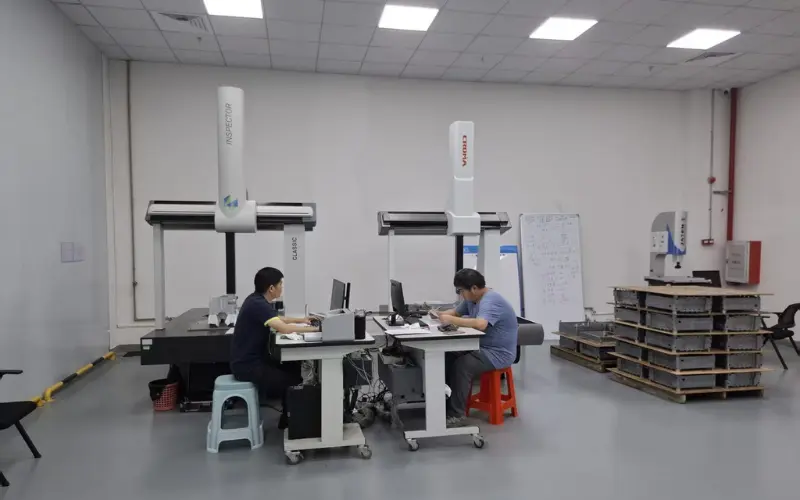 Figure 5: High-resolution computerized CMM validation room.
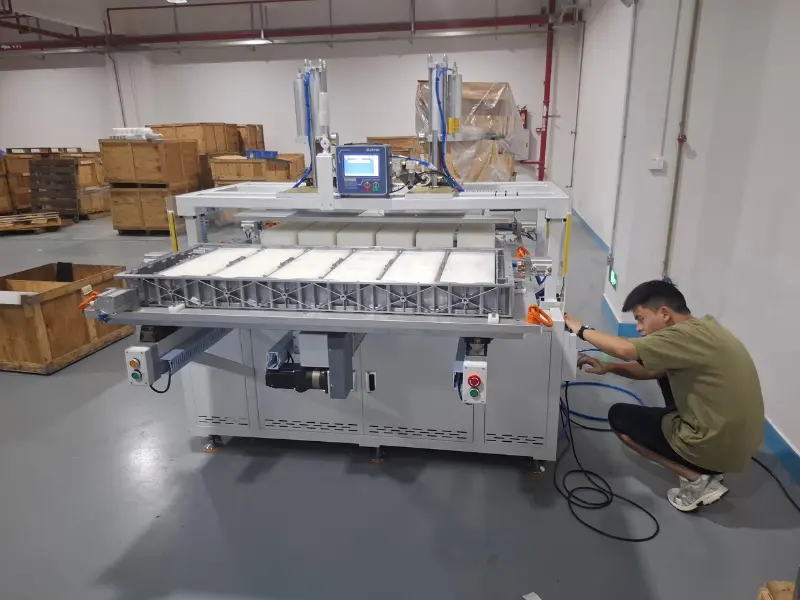 Figure 6: Custom differential leak testing setups for complex mechanical housings.
From the minute raw AZ91D ingots arrive at our loading docks to the moment complete, surface-treated assemblies leave, we guarantee a closed-loop chain of custody. Our operational philosophy centers entirely on robust IATF 16949 manufacturing systems, removing variables and avoiding standard manufacturing headaches before they can affect your assembly line.
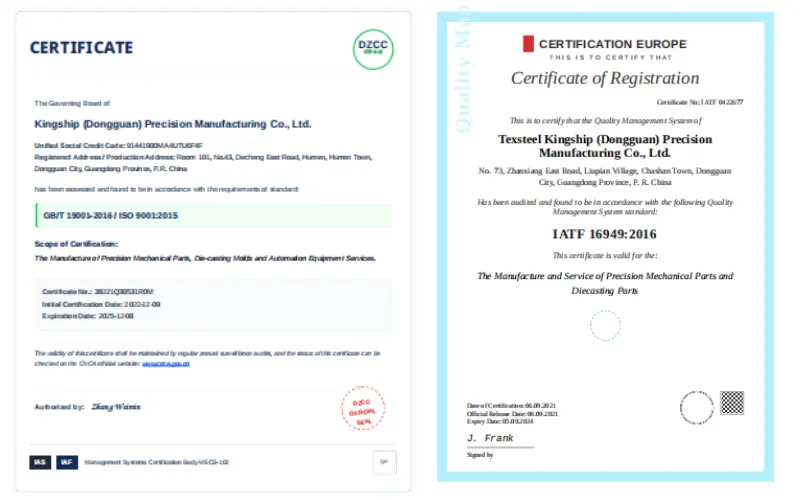 Figure 7: True international quality standard compliance means predictable reliability for global automotive infrastructure.
Let’s Talk Production Realities, Engineer to Engineer
Are you planning an aluminum to magnesium conversion project? Or do you have an active RFQ that needs an honest, hard look at wall thicknesses, draft angles, and raw cycle efficiency? Skip the generic customer sales reps. Talk to our application engineering veterans directly today. Request a Technical DFM & Pricing Review
Ready to start your project?
Talk to AlumCasting engineers about your casting, machining and tooling requirements.