
AM60B Magnesium Alloy Die Casting Suppliers
Looking for AM60B magnesium alloy die casting suppliers? Our 20-year tooling lead explains how we eliminate micro-porosity and heat cracking to deliver ductile, crash-worthy automotive structural parts.
Request a QuoteFor a complete overview of our magnesium alloy program, see our am60b magnesium alloy die casting suppliers capabilities page.
“Let’s be brutally honest. Anyone can cast a simple housing. But when a Tier-1 automotive team looks for AM60B magnesium alloy die casting suppliers, they aren’t buying metal—they are buying passive safety. They need structural components that bend but never snap during an impact. Here is how we manage the tight thermal windows of AM60B on the shop floor.”
— Insight from Hank Zhang, Head of Precision Tooling at Alumcasting
The AM60B Paradox: Unmatched Ductility vs. Manufacturing Nightmare
In the lightweight engineering playbook, choosing between alloys isn’t arbitrary. When you weigh the options in magnesium vs aluminum die casting, AM60B stands out for a singular reason: its exceptional elongation profile (typically 6% to 8%). This makes it the gold standard for crash-absorbing automotive die casting parts, such as steering wheel cores, instrument panel beams (CCBs), and cross-car structures.
However, unlike our AZ91D magnesium automotive parts, AM60B contains less aluminum. This reduction dramatically narrows its freezing range, drastically lowering its fluid flow characteristics while significantly elevating its susceptibility to hot tearing. If your supplier approaches AM60B with a standard aluminum mindset, your scrap rates will skyrocket due to cold shuts and localized shrinkage fractures. It demands massive locking forces and sophisticated thermal balancing.
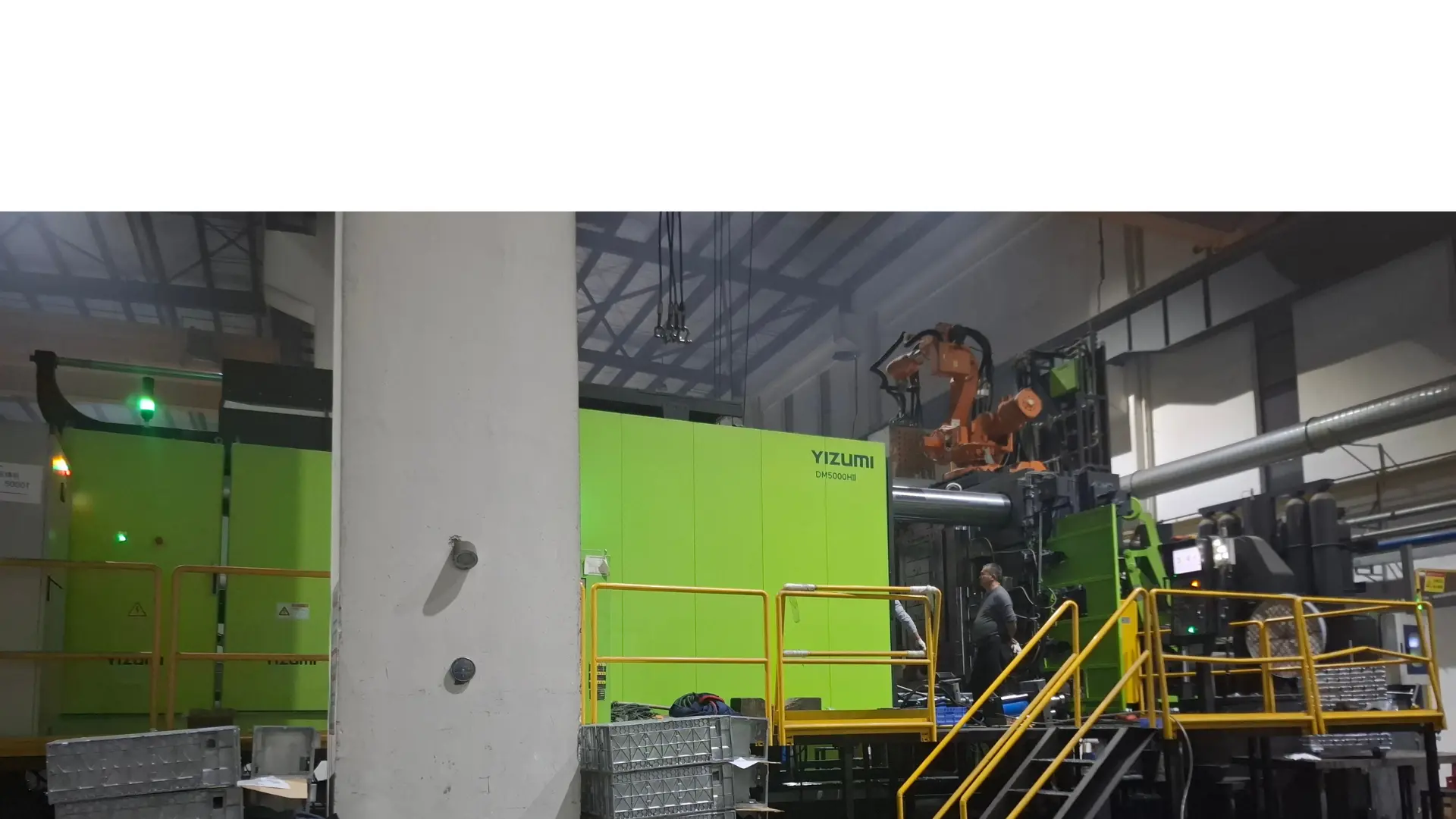 Figure 1: Our Giga-scale 5000T high-pressure die casting cell handles thin-walled, large-scale automotive structural elements with localized thermal management.
The Shop Floor Reality: Defeating Micro-Porosity in Safety Components
An AI can write a beautiful generic report, but it has never seen an AM60B part fail an automotive drop-test because of entrained air. Because AM60B parts frequently utilize thin-wall die casting tooling architectures to shave off excess weight, the molten metal must fill the cavity at incredible speeds—often exceeding 60 meters per second.
At these velocities, managing internal air entrapment is everything. We tackle this by implementing a closed-loop multi-stage vacuum system paired with ultra-precise real-time shot sleeve monitoring. If there is even a fractional variance in gas relief, the batch is instantly flagged. We don’t guess about internal structural integrity; we run extensive internal radiographies to maintain an absolute grip over our porosity control X-ray inspections.
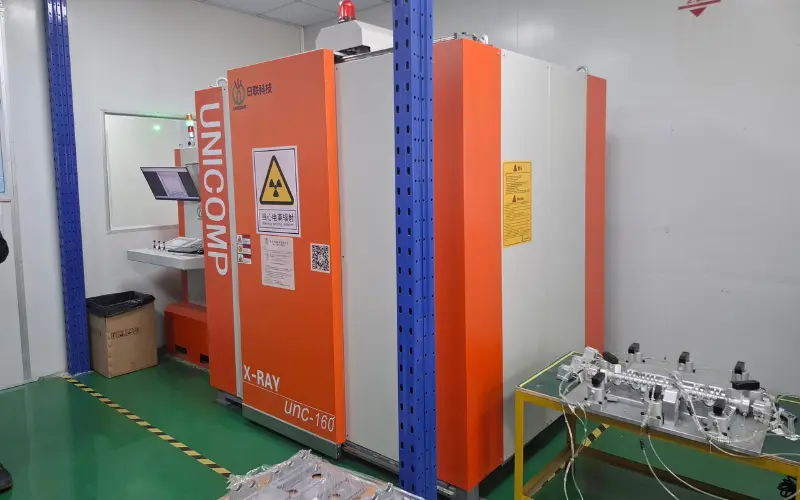 Figure 2: Real-time X-ray screening checks the sub-surface density of every AM60B component to safeguard critical ductility requirements.
Execution is Everything: From Molten Ingot to Fully Machined Assembly
Elite B2B buyers don’t have the time to audit three separate vendors for casting, machining, and chemical passivation. Any transportation of raw magnesium parts across external logistics networks invites atmospheric humidity, leading to quick oxidation flaws. Alumcasting bypasses this bottleneck completely through our highly integrated one-stop die casting, CNC machining, and surface finishing infrastructure based in our Dongguan industrial facilities.
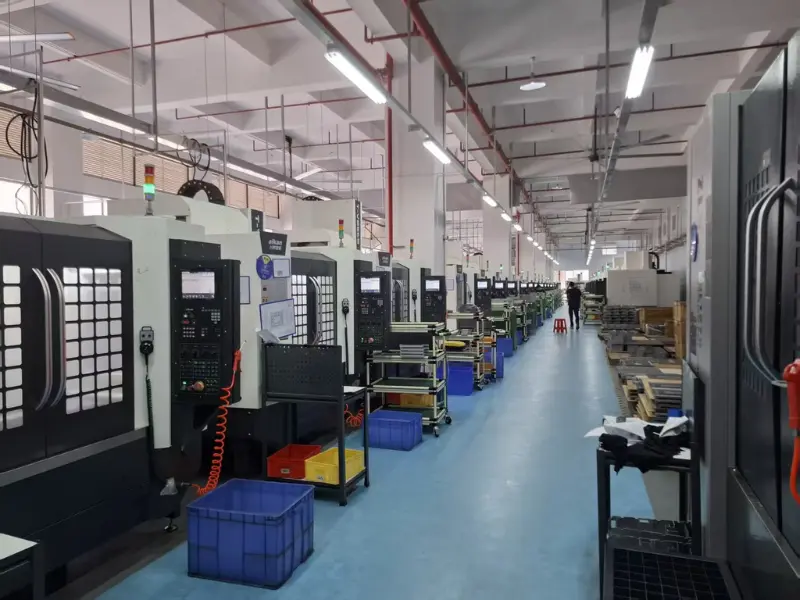 Figure 3: Multi-axis high-speed CNC clusters maintain critical dimensions under tight tolerances.
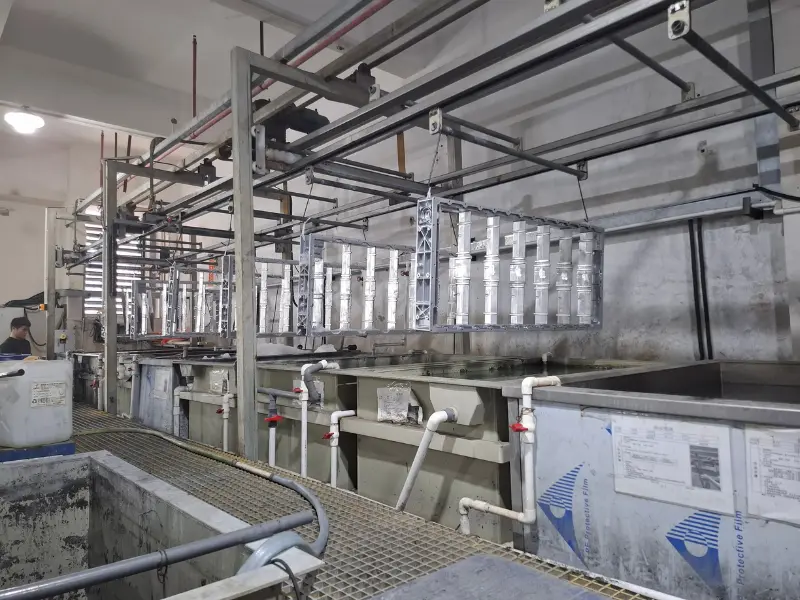 Figure 4: Automated surface line executing advanced eco-compliant anti-corrosion treatments.
When executing secondary operations via our specialized high tolerance automotive CNC machining clusters, custom clamping arrays are mandatory. Because magnesium possesses a lower modulus of elasticity, generic pneumatic clamps will distort the thin-wall profile, altering part symmetry and causing head-scratching alignment errors during final Tier-1 vehicle integration.
Traceability and Metrology: Surviving a Tier-1 Supplier Audit
We don’t manage quality via spot-checks; we run an unyielding, data-driven manufacturing ecosystem. For complex structural conversions, our engineering division crafts detailed mold cost-down DFM analyses long before cutting steel, optimizing venting paths and minimizing structural stress points.
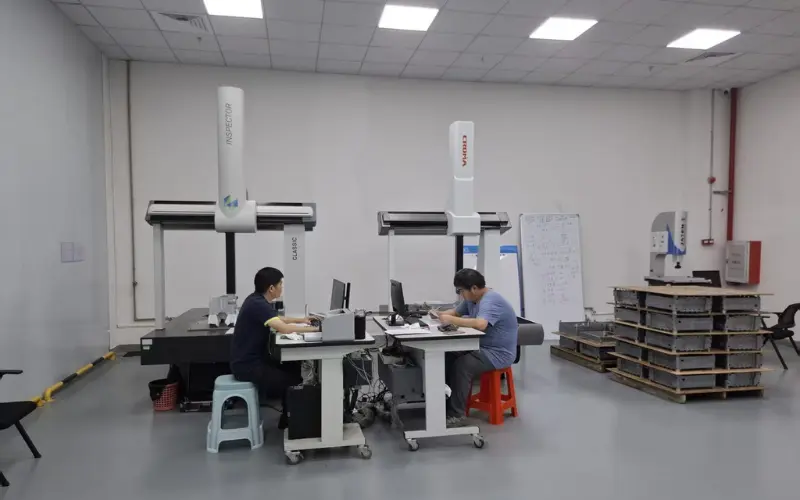 Figure 5: Temperature-controlled computerized metrology lab validating coordinate geometric accuracy.
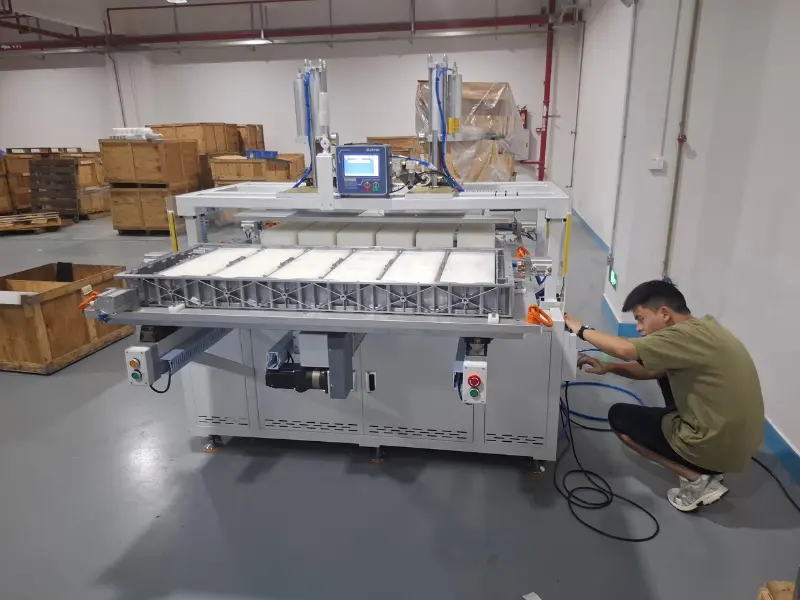 Figure 6: Custom differential pneumatic leak testing to secure hermetic integrity in hollow assemblies.
Our production plant functions completely under a validated IATF 16949 manufacturing supplier system. Every batch of raw ingots undergoes chemical spectrographic analysis to check exact manganese-to-aluminum proportions, preventing trace elements from spoiling the component’s elongation qualities.
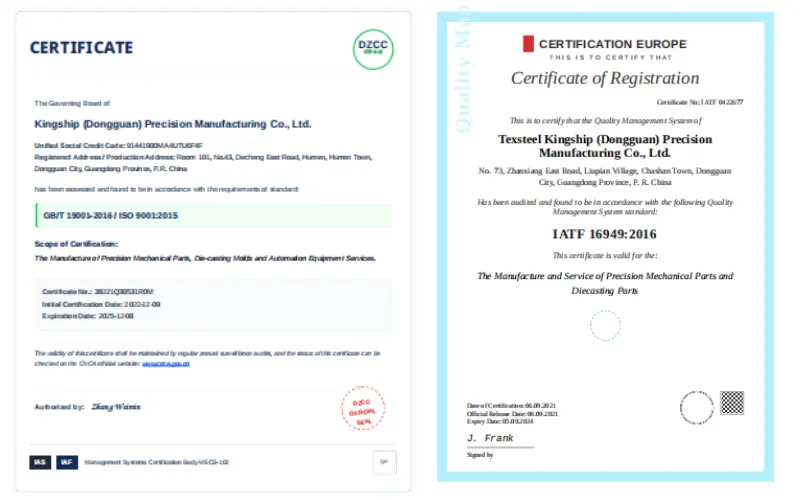 Figure 7: Full IATF 16949 and ISO 9001 international alignment guarantees worry-free global deployment.
Let’s Sidestep the Sales Talk. Speak to Our Lead Engineers Today.
Are you navigating a complex aluminum to magnesium conversion weight reduction program? Or do you have an demanding technical print requiring rigorous crashworthiness validation? Let’s talk wall configurations, gate layouts, and real production efficiencies. Initiate a Technical DFM & RFQ Consultation
Ready to start your project?
Talk to AlumCasting engineers about your casting, machining and tooling requirements.