
A383 Aluminum Die Casting Service | Precision Parts
Struggling with leaks or die soldering in A383 cast parts? Work with an IATF 16949 certified China factory executing flawless, X-ray inspected precision.
Request a QuoteFrom Shop-Floor Metallurgy to Zero-Defect Delivery
By an Engineering Expert | 20+ Years Sourcing, Tooling & Casting Precision Parts
If you are an engineering manager or purchasing director in Detroit, Stuttgart, or Tokyo looking for a predictable, high-performing A383 aluminum die casting service, you’ve likely faced the classic industry headache: parts that look clean on the outside but show devastating porosity or structural tears the second your CNC machine slices deep into an internal thread. Over the past twenty years, I’ve managed hundreds of complex tooling runs, and I can tell you plainly—mastering A383 requires more than just owning heavy tonnage machinery. It demands real shop-floor intuition.
A383 (equivalent to European AlSi11Cu3) is a brilliant choice when you need complex geometry with excellent fluid fill characteristics. With its nominal 10.5% Silicon and 2.5% Copper, it flows into tight tool cross-sections smoother than A360 or A356. However, that high copper content makes it aggressive on die steel. Without exact thermal balance, it sticks to the core pins like glue, creating a phenomenon known as die soldering. At our facility, we treat high pressure die casting process quality as an exact science, ensuring structural stability from the initial molten metal charge to final precision finishing.
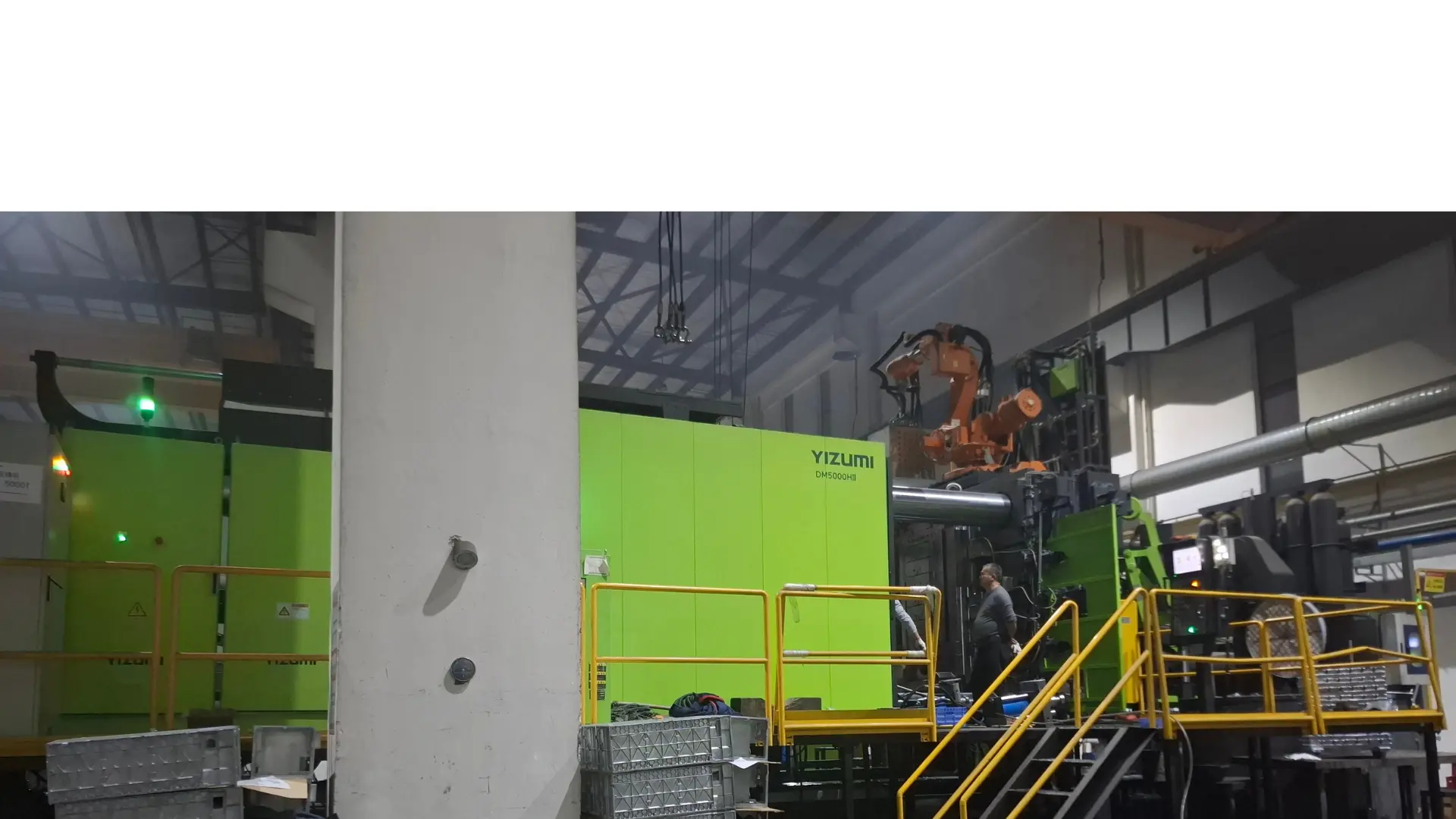 Figure 1: Our heavy-tonnage casting center engineered to maintain strict clamping forces, preventing parting-line flash on intricate, high-surface-area components.
Overcoming the A383 Dilemma: Defects Stop in DFM
Many generalist casting vendors struggle with A383 because they treat it exactly like standard Chinese ADC12. While they appear chemically similar on a basic data sheet, their shrinkage behaviors differ under violent fill rates. If your vendor skips detailed cost-down DFM design aluminum die casting molds protocols, you will end up facing shrinkage cracks in heavy bosses or micro-voids around critical seals.
We approach every blueprint with an analytical mindset. By utilizing advanced flow-simulation software before cutting tool steel, we look for velocity drops and thermal choke points. We actively optimize gating and venting cross-sections to guarantee that air escapes the tool before the liquid front solidifies. If your component has extremely intricate requirements, our engineering desk may even cross-reference architectural layouts to see if a custom thin wall die casting tooling setup is necessary to maximize mechanical properties while reducing overall weight.
“A flawless casting is born in the digital simulation but verified by shop-floor discipline. If your casting engineer doesn’t know the precise mold temperature where A383 begins to soldier, they aren’t managing quality—they are just hoping for it.”
The Five-Axis Precision Match: Post-Casting Machining
A raw casting is only half the battle. If your A383 component needs critical bearing seats, O-ring grooves, or tight true-position tolerances, secondary processing must be flawless. Because A383 is relatively hard due to its silicon content, tool wear during high-speed milling can cause minor dimensional drift over a long production run if not strictly monitored.
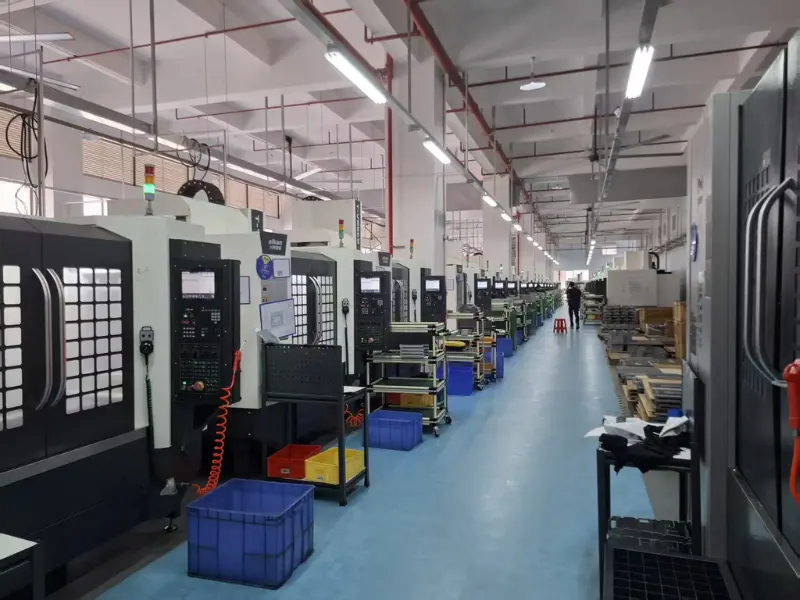 Figure 2: Our climate-controlled multi-axis machining facility ensures consistent secondary tolerances across production batches.
We eliminate this variable by tying our casting operations directly to our internal high tolerance automotive CNC machining bay. By handling everything under one roof—from shot blast to multi-axis drilling—we maintain single-source accountability. We align fixture locating points to match the natural datum lines of the die cast component, avoiding structural warping during heavy clamping cycles.
Advanced Quality Verification: Proving Integrity Inside and Out
How do we give you absolute certainty that your batch will perform flawlessly under pressure? We eliminate guesswork through comprehensive testing regimes. Every critical batch destined for international delivery undergoes strict non-destructive testing inside our enclosed porosity control X-ray inspection castings center.
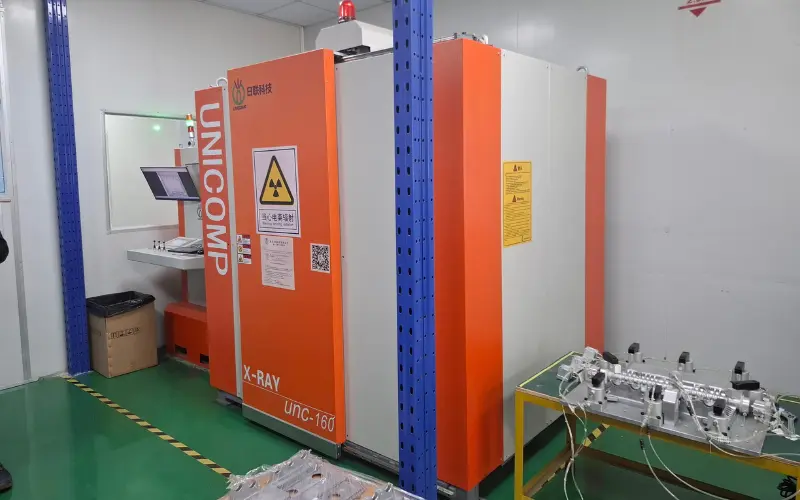 Figure 3: Sub-surface real-time X-ray verification.
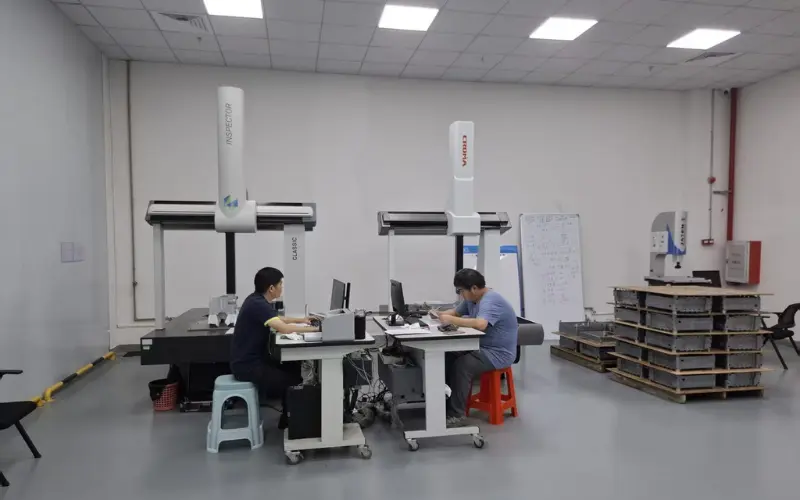 Figure 4: Automated CMM structural dimension check.
Our Quality Management System is anchored directly to an audited, fully compliant IATF 16949 high tolerance automotive CNC machining supplier standard. This means every raw ingot batch, every melt temperature log, and every dimensional variance metric tracked via CMM is permanently logged and traceable.
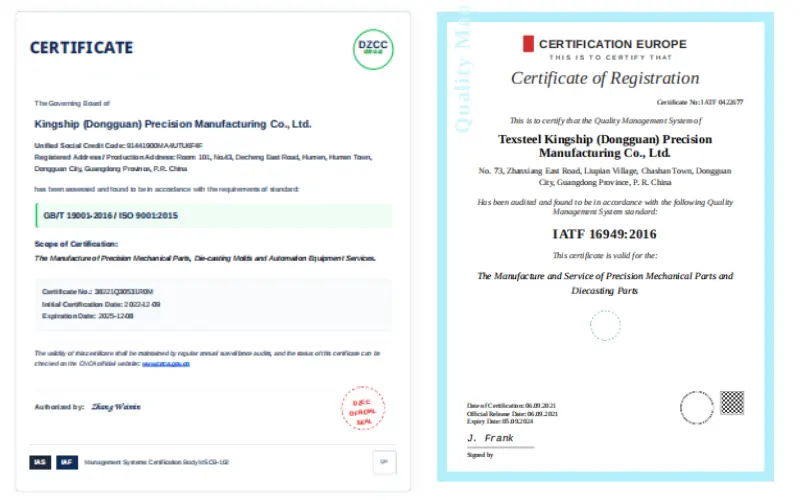 Figure 5: Our officially registered international quality credentials protecting your supply chain.
Chemical Passivation and Specialized Sealing
For applications exposed to harsh environments, external resilience matters just as much as internal density. A383 features moderate corrosion resistance, but when deployed in marine or under-the-hood environments, it requires advanced surface treatments to prevent oxidation. We run integrated surface finishing aluminum magnesium casting lines, executing precise chemical passivation and conversion coatings seamlessly.
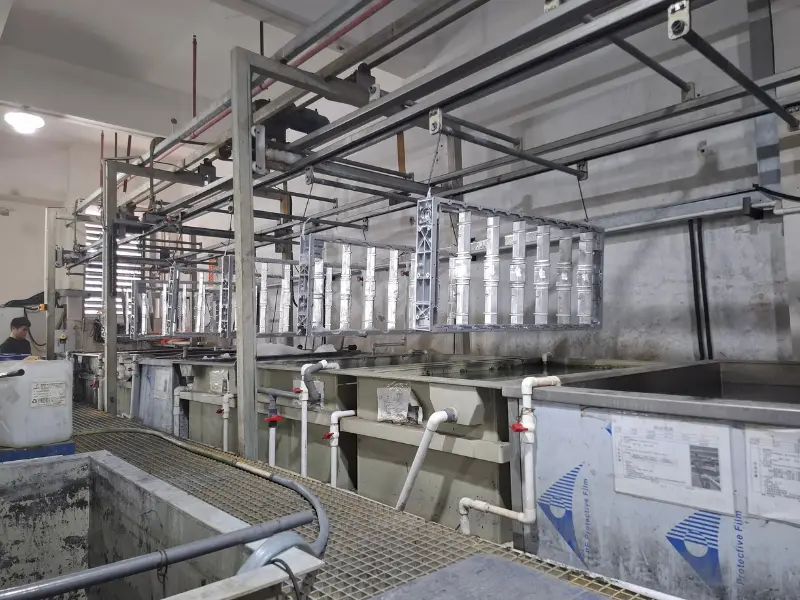 Figure 6: Automated surface passivation lines ensuring uniform salt-spray resistance across complex batches.
Finally, for pressure-tight applications such as electronic housings or fluid manifolds, we back our production with high-accuracy differential pressure leak-testing configurations to verify absolute sealing parameters before shipping.
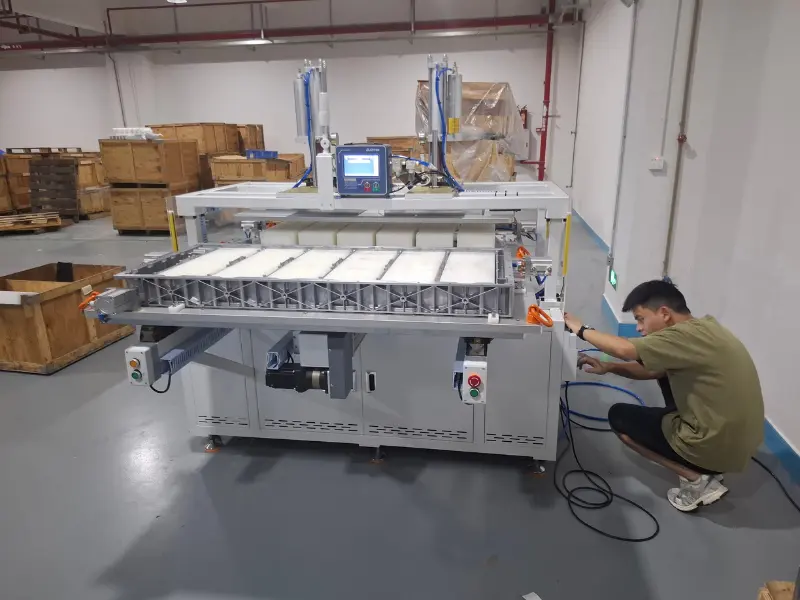 Figure 7: Final automated differential air leak testing validating part sealing performance under simulated field pressures.
When you partner with us, you are not just buying machine time; you are accessing twenty years of dedicated metallurgical and tooling expertise. Let’s optimize your next A383 project together.
Ready to Optimize Your A383 Production Run?
Get a comprehensive, expert-level DFM and engineering review on your 3D CAD files within 24 business hours. Let’s eliminate defects at the tool design stage. Submit Your Part Prints Today
Ready to start your project?
Talk to AlumCasting engineers about your casting, machining and tooling requirements.