
A356 Semi-Solid Casting Benefits & Mechanical Data
Unlocking A356 semi-solid casting benefits. Explore how Hank eliminates gas porosity, secures flawless T6 heat treatment, and achieves +120% ductility for automotive components.
Request a QuoteTechnical Author: Hank, Senior Tooling & Foundry Metallurgist at AlumCasting Core Expertise: Semi-Solid Metalworking (SSM) | High-Vacuum Die Casting DFM | IATF 16949 Automotive Compliance
TL;DR: Top Mechanical Benefits of A356 Semi-Solid Casting
- Zero Gas Porosity: Toothpaste-like laminar flow eliminates air entrapment entirely, ensuring 100% X-ray inspection pass rates.
- Blister-Free T6 Heat Treatment: Unlike standard liquid HPDC, SSM structural parts withstand high-temperature solution tempering without surface distortion.
- Substantial Weight Reduction: Enhanced globular microstructures allow for thinner, hyper-durable walls, removing up to 30% of unnecessary dead weight.
I have spent over two decades standing in front of heavy-duty die-casting machines, and if there is one alloy that represents the “Gold Standard” for high-stress structural integrity, it is A356. But here is the secret most commercial foundries won’t tell you: A356 only truly breathes when you move away from traditional liquid casting. When we unlock the A356 semi-solid casting benefits, we aren’t just making a part; we are creating a masterpiece of structural engineering.
“A few years ago, a client came to me with a safety-critical automotive suspension bracket that kept failing under dynamic stress. They were running standard high-pressure die casting (HPDC) with A380, but the internal gas porosity acted as a ticking time bomb. We switched their project to A356 semi-solid casting. The result? A 40% increase in structural fatigue life and a part that finally passed X-ray inspection with zero defects. That is the definitive power of SSM.”
Why Semi-Solid (SSM) Changes Everything
In traditional casting, molten metal turbulent flow traps air, creating tiny bubbles—porosity. Semi-solid metal (SSM) flows like toothpaste. This clean, laminar flow completely eliminates air entrapment. We utilize this precise velocity control to achieve total porosity control, which is vital for mission-critical automotive die casting parts.
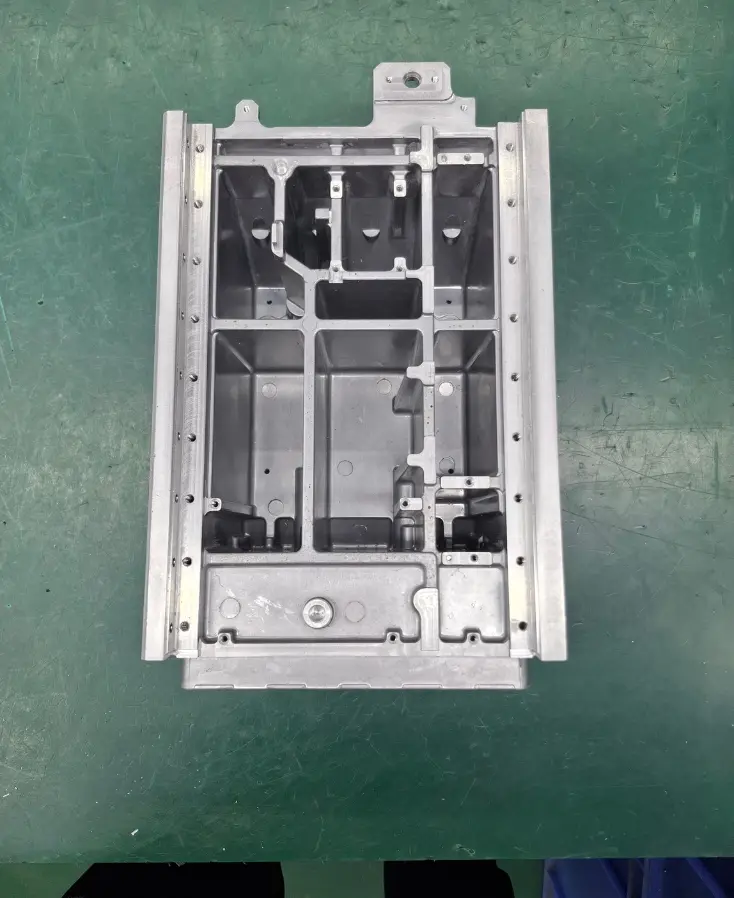 Figure 1: Our advanced A356 semi-solid process ensures zero-porosity, even in hyper-complex structural designs.
1. Flawless T6 Heat Treatment
Unlike standard HPDC, SSM parts handle T6 heat treatment perfectly. We can push A356 to its maximum yield strength without any surface blistering or deformation.
2. Zero Internal Porosity
The controlled globular microstructure prevents micro-shrinkage and gas voids, allowing every production batch to easily pass strict X-ray inspections.
3. Micron CNC Machining
Extreme high density means we can perform high-tolerance automotive CNC machining without uncovering subsurface pinholes or damaging tool bits.
4. Aggressive Weight Reduction
The superior mechanical strength allows for significantly thinner walls. We often deploy this for weight-reduction projects where safety is non-negotiable.
Mechanical Performance Breakdown: Liquid vs. Semi-Solid
To truly understand the benefits of A356 semi-solid processing, we must look directly at the certified mechanical properties achieved after uniform T6 heat treatment cycles:
| Mechanical Property | Conventional A356 Liquid Cast | A356 Semi-Solid Rheocasting | Performance Gain |
|---|---|---|---|
| Tensile Strength (UTS) | 230 – 250 MPa | 290 – 320 MPa | +25% Higher |
| Yield Strength (YS) | 180 – 190 MPa | 220 – 240 MPa | +22% Higher |
| Elongation (%) | 2.5% – 3.5% | 6.0% – 9.0% | +120% Ductility |
| Fatigue Endurance | Low (Porosity Limited) | Exceptional (Globular Phase) | +40% Structural Life |
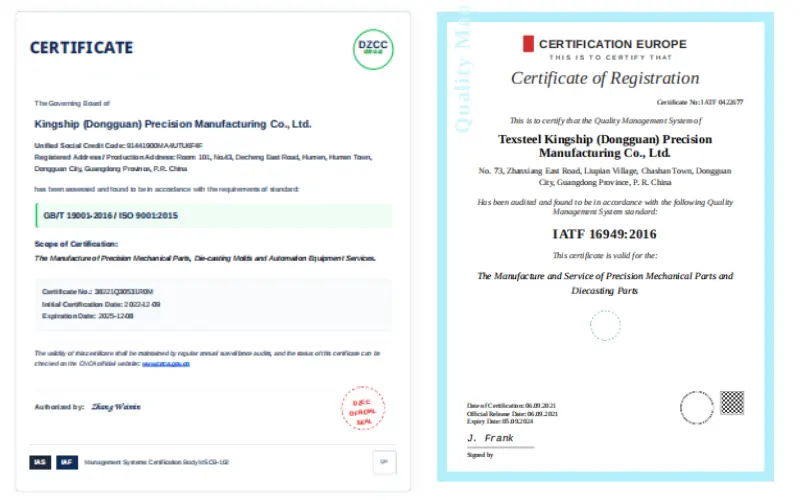 Figure 2: Our manufacturing facility operates strictly under verified IATF 16949 automotive quality management standards.
 |
A356 vs. A380: The Expert Choice
While we love A380 for its fluidity in standard thin-walled electronic housings, it simply cannot match the elongation, impact resistance, and toughness of A356-T6. For complex automotive engineering involving EV battery housing prototypes, A356 semi-solid casting is often the only way to meet stringent crash-test requirements.
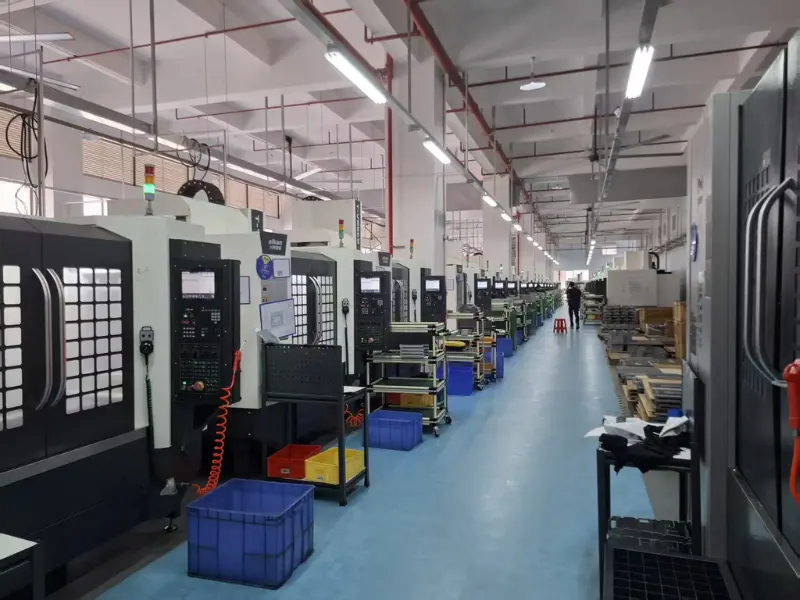 Figure 3: Inside our high-precision CNC workshop finishing casting surfaces to strict micron geometric dimensions.
We invite you to compare thixocasting vs rheocasting to see which SSM branch fits your target production volume. For most automotive clients, our specialized rheocasting setups offer a significant cost-to-performance benefit.
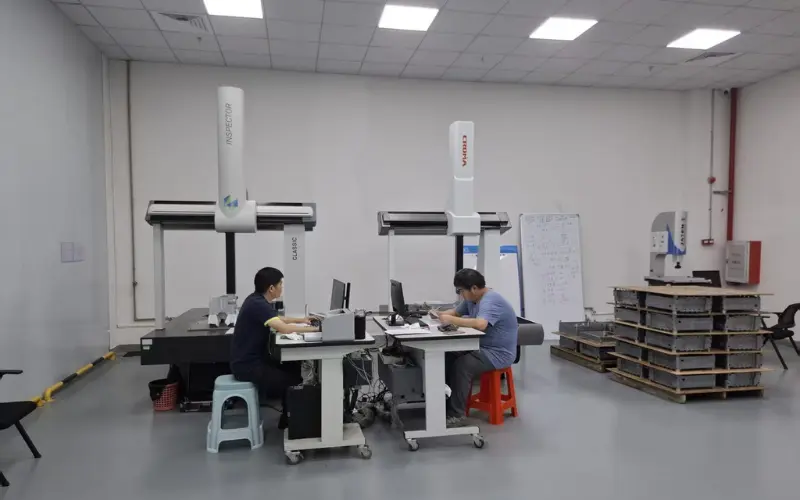 Figure 4: Precise coordinate tracking using our advanced CMM metrology equipment ensuring zero dimensional deviation on high-stress geometric profiles.
A356 Semi-Solid FAQ
Q: Can I use A356 for low-volume production?A: Absolutely. We frequently engineer bridge tooling setups to bridge the gap between initial prototypes and full-scale SSM rheocasting runs.Q: Why is SSM more expensive than traditional die casting?A: The initial tooling setup requires specialized equipment and precise temperature controls. However, when you factor in the drastically reduced component scrap rates and the ability to eliminate secondary processes, the overall total cost of ownership drops significantly.
Engineering is about solving problems before they hit the assembly line. If you’re ready to explore the A356 semi-solid casting benefits for your next project, contact our engineering team. We are ready to help you scale seamlessly from T0 to 10,000 units with zero defects.
Start Your A356 Semi-Solid Project Feasibility Review
Need a professional engineering review for your high-stress automotive or structural component run? Our technical teams in Dongguan and Shenzhen provide thorough mold-flow analyses and DFM reports to guarantee high yield rates. Send us your project requirements below.
Ready to start your project?
Talk to AlumCasting engineers about your casting, machining and tooling requirements.