
Battle on the Shop Floor: Mastering A356 Aluminum Die Casting Porosity Control
Struggling with sub-surface gas voids or T6 blistering in A356 structural parts? A veteran die casting expert shares raw shop-floor secrets to achieve 100% X-ray certified porosity control.
Request a QuoteBy a Veteran Foundry Director | 20+ Years in Precision Metallurgy
Let’s skip the standard textbook jargon for a moment. If you are a Tier 1 automotive procurement specialist or an EV structural engineer sourcing parts from A356 aluminum die casting manufacturers in China, you don’t sleep well at night for one primary reason: porosity. It is the silent, sub-surface enemy that ruins mechanical integrity. You look at a perfect 3D CAD model, but out on the casting floor next to an 2500-ton machine, we fight a chaotic thermodynamic battle against trapped air, hydrogen pickup, and shrinkage.
A356 is a gorgeous alloy. With its 7% Silicon and 0.35% Magnesium, it gives us the magical ability to perform T6 solution and artificial aging treatments. This yields the high elongation and yield strength required for safety-critical automotive die casting parts. But here is the catch: if your casting vendor does not master A356 aluminum die casting porosity control, those micro-voids will expand during a 535°C T6 furnace cycle, turning the surface of your expensive components into a blistered, weak nightmare.
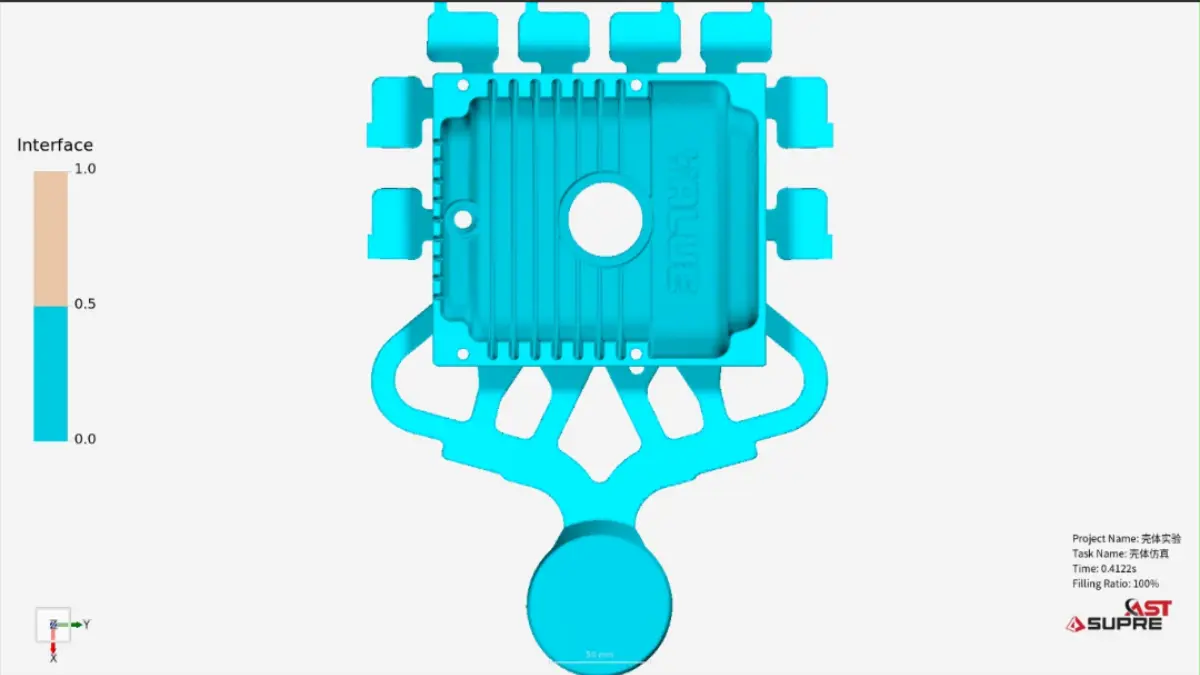 Figure 1: Our real-time Moldflow simulation targeting velocity drop-offs to prevent gas entrapment inside a chassis structural bracket.
Why Traditional HPDC Fails A356 (And How We Fix It)
In standard high-pressure die casting (HPDC), molten metal is rammed into the tool cavity at ballistic speeds exceeding 40 meters per second. This extreme velocity creates violent turbulence. The air inside the shot sleeve gets violently whipped into the liquid metal. For standard parts using ADC12, you can live with small localized pockets. But for highly stressed automotive brackets or housing units, that trapped gas is a ticking time bomb.
To win the war on porosity, we have to transition away from traditional rules. We utilize specialized semi-solid die casting for heat-treatable aluminum or implement high-density vacuum valves. By dropping the cavity pressure below 50 mbar right before the shot arrives, we draw out the atmospheric air. The metal fills the tool smoothly rather than exploding into a spray, eliminating trapped gas voids at the source.
“Cranking up the intensifier pressure to squash gas bubbles is an old-school band-aid. True masters cure porosity back in the melting pot and through precise gate thickness ratios during the DFM phase.”
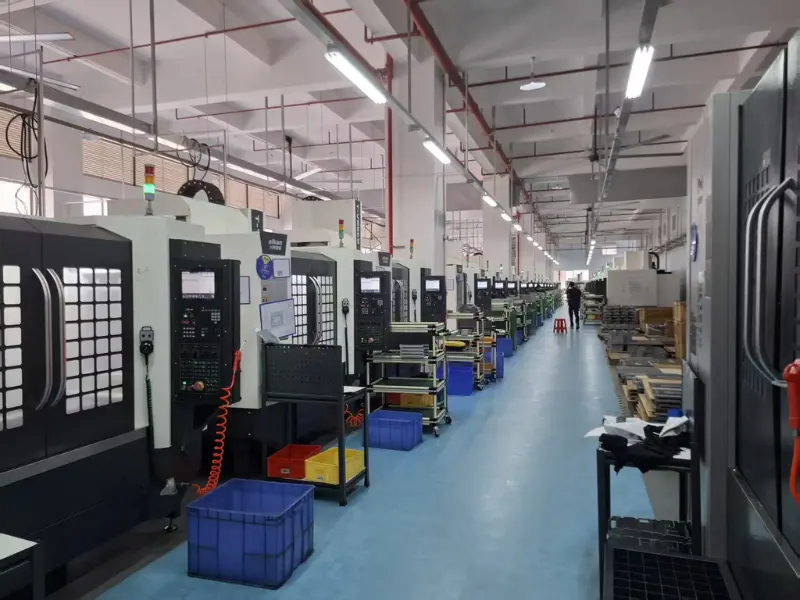 Figure 2: Our climate-controlled 5-axis CNC machining cells. Stable structural density means zero tearing or tool chatter during high-tolerance operations.
The Three Invisible Shop-Floor Pillars of Porosity Control
If a Chinese manufacturer tells you they control porosity simply because they bought an expensive European machine, walk away. True control is an obsessive, multi-step ritual on the shop floor:
1. Degassing and Bifilm Eradication
Molten A356 absorbs hydrogen like a sponge from ambient humidity. We enforce mandatory rotary degassing using pure Argon gas coupled with automated rotor tracking to bring density parameters to aerospace baselines before pouring.
2. Thermal Balancing & Tooling Geometry
Shrinkage porosity happens when thick walls cool slower than thin walls, pulling the material apart. We neutralize this by engineering localized conformal cooling lines inside our thin-wall die casting tooling setups to force directional solidification.
Furthermore, post-machining reveals everything. When we perform high-speed cutting in our high-tolerance automotive CNC machining bay, a single cluster of exposed micro-pores will cause an immediate leak test failure on a fluid line or battery pack case. You cannot fake structural density when sub-surface machining cuts deep into the structural core.
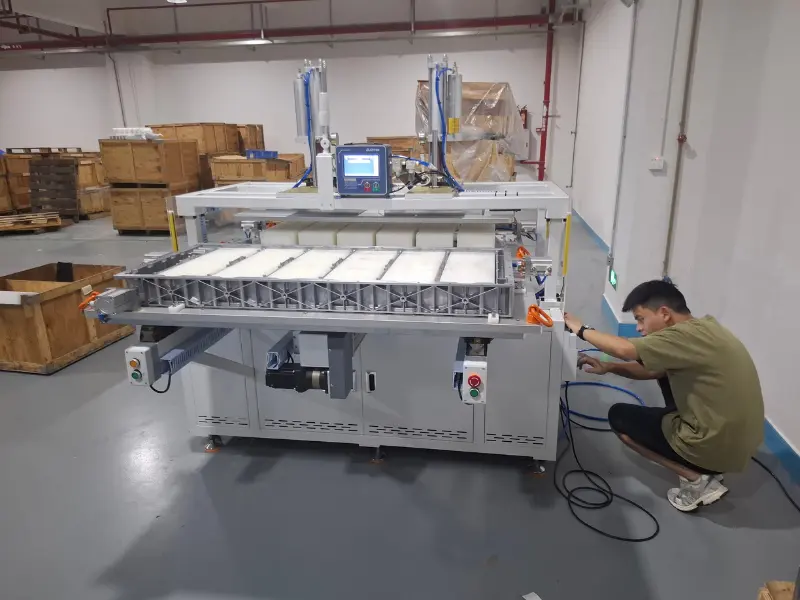 Figure 3: Custom differential pressure air leak testing station proving the absolute pore-free sealing performance of our cast housings.
Uncompromising Quality: Moving Beyond Visual Inspections
How do we prove to a Western Tier 1 customer that our internal structural integrity is flawless before the freight container leaves port? We don’t guess; we measure. Every single critical automotive batch undergoes automated non-destructive evaluation within our enclosed porosity control X-ray inspection center. If there’s an internal shrinkage cavity hidden 15mm deep inside an integrated boss, the machine flags it, and it gets rejected immediately.
This strict methodology is anchored by our fully audited IATF 16949 automotive supplier framework. It governs everything from incoming raw ingot chemical spectrometry to the final chemical wash on our surface finishing aluminum lines.
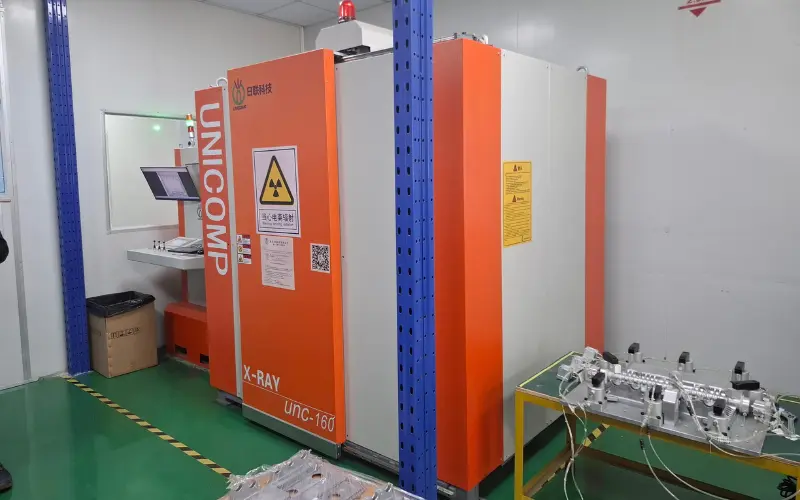 Figure 4: Real-time real-density X-ray inspection.
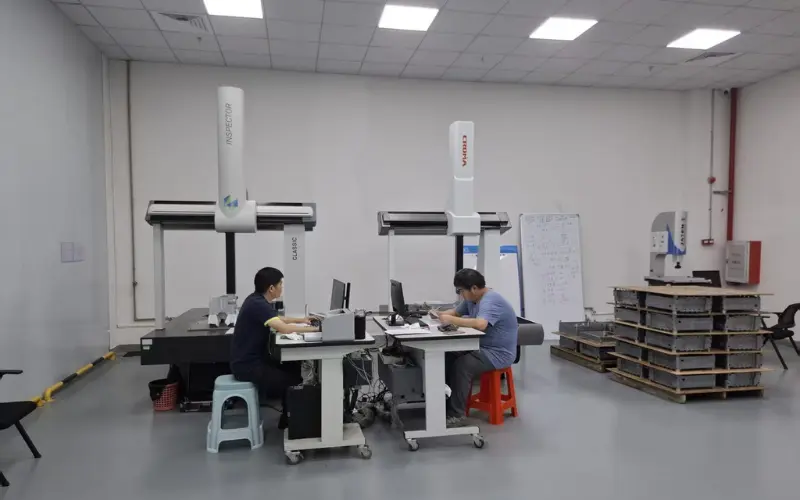 Figure 5: Precision CMM dimensional tracking.
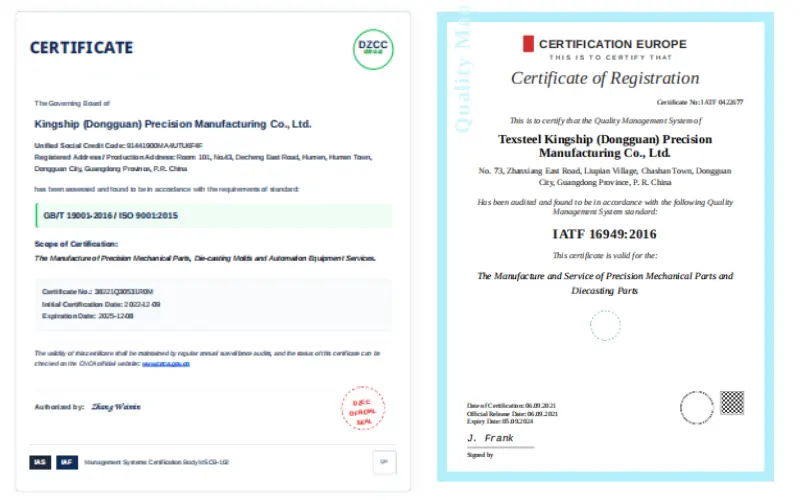 Figure 6: Our audited international quality credentials for European & American delivery.
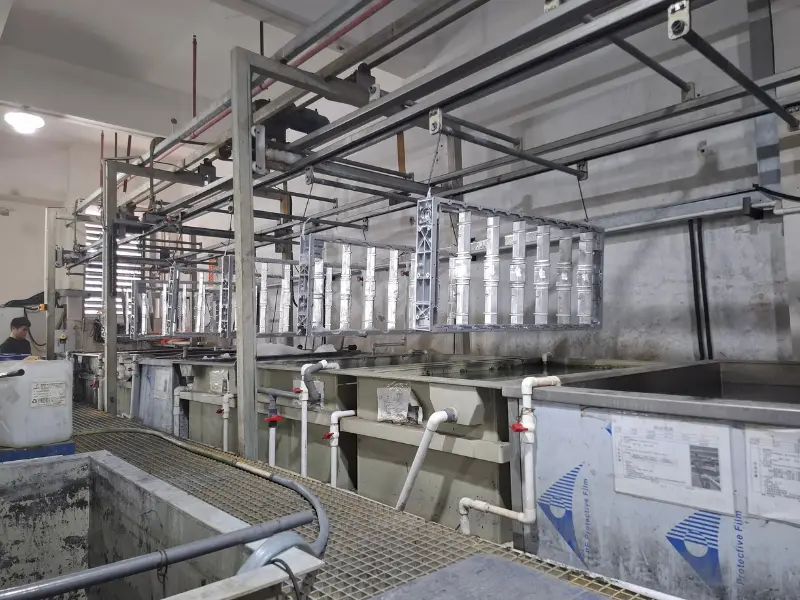 Figure 7: Automated chemical passivation lines providing advanced base layer corrosion protection without blistering risks.
At the end of the day, high-end engineering is about risk elimination. When you look at an aluminum casting supplier, ask for their gate-to-runner volume ratios, ask for their real-time vacuum sensor data, and look at their metallurgical tracking logs. That is where real quality lives.
Sourcing Production-Grade A356 Die Casting
This article explains how we control porosity in A356 structural castings. If you are ready to source production parts rather than research the topic, our engineering team supports A356 and other heat-treatable aluminum alloys through dedicated manufacturing programs:
- Semi-Solid (Heat-Treatable) Aluminum Die Casting
- Aluminum Die Casting Capabilities
- Automotive Die Casting Parts
Shop-Floor Engineering FAQ
Why does A356 suffer from blistering after T6 heat treatment, and how do you stop it?
Blistering happens because high temperatures (above 520°C) cause trapped high-pressure gas bubbles inside the part to expand and push through the soft aluminum surface. We eliminate this by using high-vacuum valves to pull air out of the cavity, and by enforcing a strict prevent blistering aluminum T6 protocol via precise mold temperature regulation.
What is the difference between gas porosity and shrinkage porosity in A356 castings?
Gas porosity creates smooth, perfectly round microscopic spheres caused by trapped air or hydrogen. Shrinkage porosity creates jagged, irregular sponge-like cavities caused by a lack of feeding material as the alloy shrinks during cooling. We fix gas porosity via vacuum venting, and shrink defects via smart cost-down DFM mold design with calculated chill blocks.
Why choose A356 over standard ADC12 for structural automotive components?
ADC12 is excellent for general enclosures due to its fluid castability, but it lacks impact resistance. A356 offers far superior elongation, impact performance, and structural fatigue life. For a deeper breakdown of this choice, read our detailed engineering guide on why we recommended A356 over ADC12 for high-stress structural parts.
Tired of Dealing with Porosity Failures?
Put our 20+ years of real metallurgical and tooling expertise to work. Send your STEP/IGS files to our engineering desk for a comprehensive, zero-cost DFM flow analysis within 24 hours. Request Technical DFM Review
Ready to start your project?
Talk to AlumCasting engineers about your casting, machining and tooling requirements.